
Tooth Extractions in Newport Beach
Tooth extractions in Newport Beach may be necessary when a tooth is too damaged, infected, fractured, loose, or otherwise unable to be predictably maintained.
At Newport Beach Dental Studio, Dr. Tai Ha first evaluates whether the natural tooth can reasonably be saved. Extraction is generally considered when keeping the tooth would provide a poor prognosis or when removal is necessary as part of another treatment plan.
If a tooth does need to be removed, we also consider what happens afterward—including healing, preservation of the site, and whether the missing tooth should eventually be replaced.
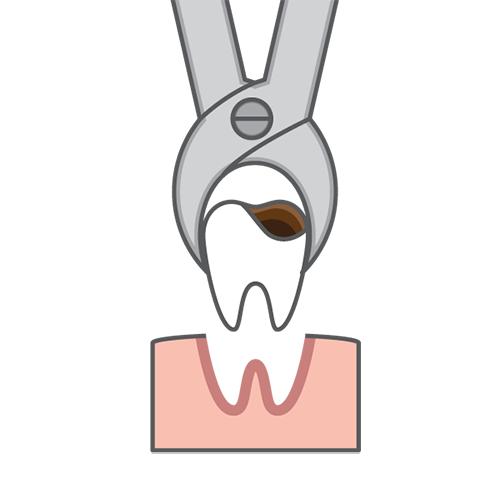
What Is a Tooth Extraction?
A tooth extraction is the complete removal of a tooth from its socket in the jaw.
Some teeth can be removed relatively straightforwardly. Others require a surgical approach because of the tooth’s position, root shape, fracture, surrounding bone, or other anatomical factors.
Although extraction is a common dental procedure, it is still a surgical treatment. Therefore, the complexity, recovery, and risks can vary significantly from one tooth to another.
Our First Question: Can the Tooth Be Saved?
Removing a natural tooth is irreversible.
Therefore, if a tooth can be predictably maintained with a filling, onlay, crown, root canal, periodontal treatment, or another reasonable procedure, preserving it may still be the better option.
However, there is also a point where repeatedly repairing a tooth with a poor structural or periodontal prognosis no longer makes sense. In those situations, extraction may provide the better long-term treatment path.
Why Might a Tooth Need to Be Extracted?
Simple vs. Surgical Tooth Extraction
Simple Extraction
When enough of the tooth is accessible above the gumline, dental instruments can often be used to carefully loosen the tooth and remove it from the socket.
Surgical Extraction
A broken, impacted, or difficult tooth may require an incision, removal of a small amount of surrounding bone, sectioning the tooth into pieces, or another surgical technique.
Some Extractions Are Best Treated by an Oral Surgeon
Not every extraction has the same level of difficulty.
Impacted wisdom teeth, difficult root anatomy, proximity to nerves or the sinus, extensive surgical grafting needs, complex medical histories, and other factors may make specialist care more appropriate.
When indicated, Dr. Ha coordinates treatment with an oral surgeon rather than trying to treat every extraction the same way.
How Is a Tooth Extraction Performed?
Does Having a Tooth Pulled Hurt?
Local anesthesia is used so the treatment area is numb during extraction.
Patients may still feel pressure, movement, or pushing while the tooth is being removed. Sharp pain should be communicated to the treating clinician so additional anesthesia or another approach can be considered.
After the anesthetic wears off, soreness and swelling can occur. The amount varies depending on the tooth and complexity of the procedure.
What Happens to the Empty Tooth Socket?
After a tooth is removed, the body begins healing the extraction socket.
A blood clot forms early in this process and helps protect the underlying bone and tissues while healing begins.
Over time, new soft tissue forms and the bone remodels. Complete internal bone healing takes considerably longer than the time it takes for the gum surface to begin closing.
Protect the Blood Clot After an Extraction
The early blood clot is an important part of normal healing.
For that reason, avoid vigorous rinsing, forceful spitting, smoking, and suction from a straw during the early healing period as instructed by your treating clinician.
If the clot breaks down or becomes dislodged prematurely, a painful condition called alveolar osteitis, or dry socket, can sometimes develop.
What Is Dry Socket?
Dry socket is a painful complication that can occur after an extraction when the protective blood clot is lost or breaks down before the socket has adequately healed.
Pain typically becomes significant within the first several days and can radiate toward the ear, temple, jaw, or neck. A bad taste or odor may also occur.
Dry socket is not simply another name for an infection. Treatment often involves evaluating and cleaning the area and, when appropriate, placing a medicated dressing to improve comfort.
Learn more about dry socket from the American Association of Oral and Maxillofacial Surgeons →
Tooth Extraction Aftercare
Your specific post-operative instructions may differ depending on the extraction. Follow the instructions provided by your treating clinician.
Do I Need Antibiotics After an Extraction?
Not every extraction requires an antibiotic.
Antibiotics may be appropriate when a bacterial infection, spreading infection, certain medical risks, or other clinical factors are present. However, they should not automatically be prescribed simply because a tooth was removed.
If medication is prescribed, take it exactly as directed.
When Should You Call the Dentist?
Some soreness, swelling, and minor oozing can be part of normal healing. However, symptoms should generally trend toward improvement.
Should the Socket Be Bone Grafted?
After an extraction, the bone around the socket naturally remodels and can lose volume.
If the site may later receive a dental implant, or if maintaining the ridge contour is important for the restorative plan, a bone-preservation procedure may sometimes be recommended at the time of extraction.
However, not every extraction site requires a bone graft. The decision depends on the tooth location, existing bone, infection, future treatment plan, esthetic requirements, and surgical findings.
Plan the Replacement Before the Tooth Is Removed
When possible, it is useful to think about the final result before extracting a tooth.
If an implant is being considered, the future implant position, amount of bone, gum architecture, neighboring teeth, and timing of grafting can influence how the extraction site should be managed.
In other cases, a bridge, removable tooth, orthodontic treatment, or leaving the space alone may make more sense.
How Can a Missing Tooth Be Replaced?
How Long Does an Extraction Take to Heal?
Healing occurs in stages.
The surface gum tissue begins healing relatively quickly, but the extraction socket and jawbone continue remodeling for weeks to months.
The amount of discomfort and recovery time also varies. A straightforward extraction of a fully erupted tooth can heal very differently from removal of an impacted tooth or a procedure involving grafting.
AAOMS notes that pain, swelling, and light bleeding can occur during the first days after oral surgery and should gradually improve as healing progresses. :contentReference[oaicite:1]{index=1}
Official Information About Dental Extractions
For additional patient information about tooth removal and oral surgery, visit the American Association of Oral and Maxillofacial Surgeons extraction and oral surgery resources →
Frequently Asked Questions About Tooth Extractions
When does a tooth need to be extracted?
Extraction may be recommended when decay, fracture, infection, periodontal bone loss, trauma, tooth position, or another problem makes preservation unrealistic or inappropriate.
Does a tooth extraction hurt?
Local anesthesia is used to numb the area. Pressure and movement may still be felt during treatment. Soreness after the anesthetic wears off can occur.
What is a surgical extraction?
A surgical extraction may involve accessing a tooth beneath the gum, removing a small amount of bone, or dividing the tooth into sections to remove it safely.
Can I brush my teeth after an extraction?
Keep the rest of your mouth clean, but avoid directly traumatizing the fresh extraction site. Follow the specific brushing and rinsing instructions given after your procedure.
Can I use a straw after an extraction?
Straws are generally avoided during the early healing period because suction may disturb the blood clot protecting the socket.
What foods can I eat after a tooth extraction?
Softer foods that require little chewing are generally more comfortable initially. Gradually return to your normal diet as healing and comfort allow.
What is dry socket?
Dry socket occurs when the protective blood clot is lost or breaks down before adequate healing has occurred. It can cause significant pain several days after an extraction.
Do I need antibiotics after having a tooth pulled?
Not routinely. Antibiotics are prescribed when the clinical situation and medical history indicate that they are appropriate.
Do I need a bone graft after an extraction?
Not every socket requires grafting. It may be recommended when preserving bone for a future implant or maintaining the ridge contour is important.
Do I have to replace every extracted tooth?
No. Replacement depends on the tooth’s location, bite, neighboring teeth, function, esthetics, and long-term treatment plan.
Think You May Need a Tooth Extraction in Newport Beach?
If you have a badly broken tooth, severe decay, swelling, infection, a loose tooth, or have been told that a tooth may need to be removed, schedule an evaluation with Dr. Tai Ha at Newport Beach Dental Studio.
We can determine whether the tooth can reasonably be saved and, if extraction is necessary, discuss the appropriate surgical and tooth-replacement plan.
Extraction difficulty, healing time, need for referral, grafting, medications, and tooth-replacement recommendations depend on the tooth, anatomy, medical history, infection, bone, and individual clinical findings.