

Root Canal Treatment in Newport Beach
Root canal treatment in Newport Beach can help save a natural tooth when the soft tissue inside it becomes irreversibly inflamed, infected, or damaged.
At Newport Beach Dental Studio, Dr. Tai Ha evaluates tooth pain carefully before recommending treatment. Not every painful tooth needs a root canal, and not every tooth that needs a root canal will necessarily hurt.
The goal of endodontic treatment is straightforward: remove the damaged or infected tissue from inside the tooth, disinfect and seal the root canal system, and preserve the natural tooth whenever it can be predictably restored.
What Is a Root Canal?
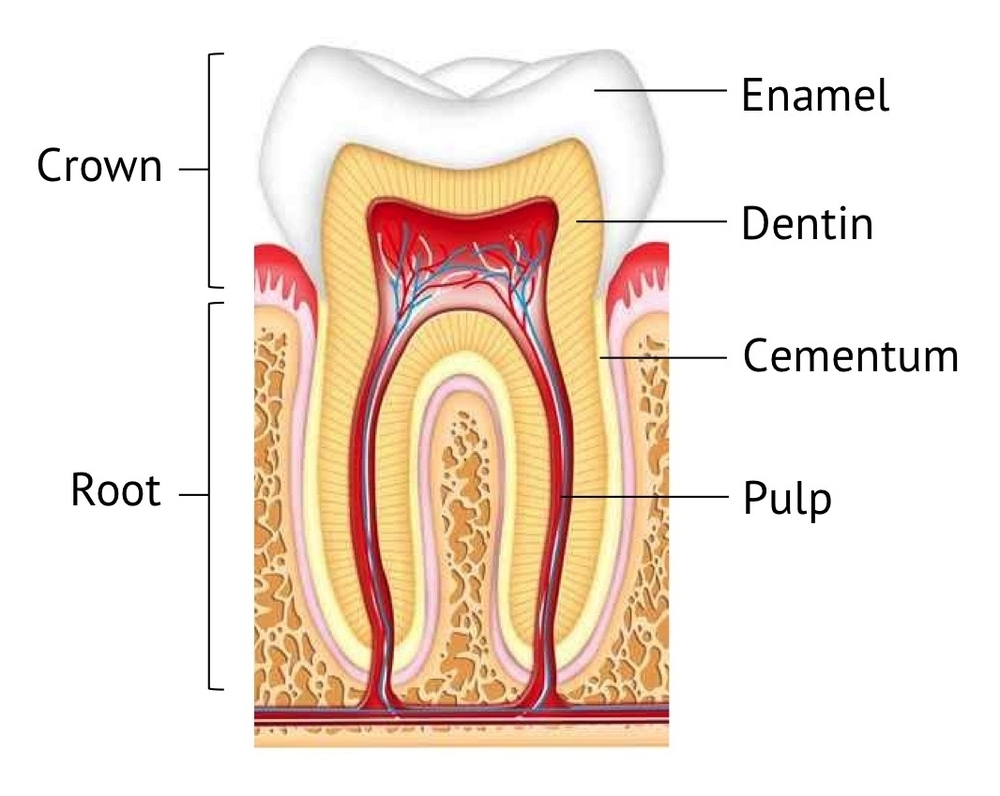
To understand root canal treatment, it helps to understand what is inside a tooth.
The hard white outer layer is enamel. Beneath the enamel is dentin. At the center of the tooth is the pulp, which contains nerves, blood vessels, and connective tissue.
The pulp extends from the center of the crown into narrow spaces inside the roots called root canals.
What Actually Happens During Root Canal Treatment?
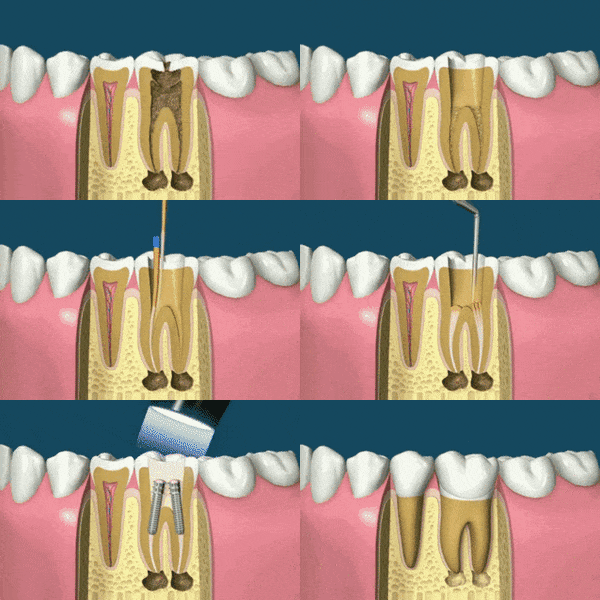
The inflamed, infected, or damaged pulp is removed from inside the tooth.
The root canals are then carefully cleaned, disinfected, and shaped. Afterward, the internal space is filled and sealed to reduce the opportunity for bacteria to re-enter.
The tooth is then restored with an appropriate filling, buildup, onlay, crown, or other restoration depending on how much healthy tooth structure remains.
Why Would a Tooth Need a Root Canal?
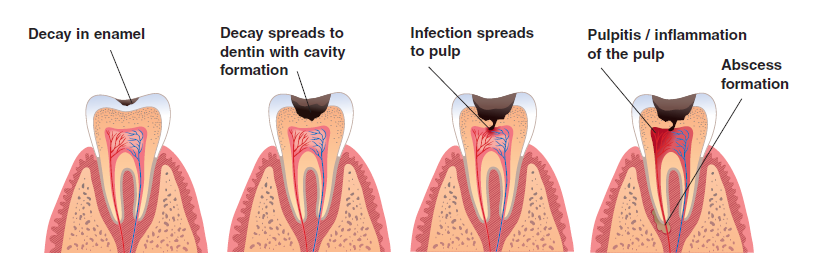
The pulp can become irreversibly inflamed or infected for several reasons.
Gum Disease and Root Canal Disease Are Different
The original version of this page listed gingivitis as a common cause of needing a root canal. That is not generally how the two conditions are related.
Periodontal disease primarily affects the gums, periodontal attachment, and bone surrounding the outside of a tooth.
Endodontic disease involves the pulp and root canal system inside the tooth.
In advanced situations the two conditions can interact, but routine gingivitis does not normally mean a patient needs root canal treatment.
Signs You May Need a Root Canal
Symptoms vary considerably. Some teeth are extremely painful, while others lose vitality with few noticeable symptoms.
How Do We Determine Whether You Need a Root Canal?
Tooth pain does not automatically equal root canal treatment.
Before recommending treatment, the tooth should be evaluated to determine whether the symptoms actually originate from the pulp or tissues surrounding the root.
Not Every Deep Cavity Needs a Root Canal
One of our goals is to preserve healthy tooth structure and pulp vitality whenever the clinical situation allows it.
A cavity can be deep without automatically requiring root canal treatment. The decision depends on the condition of the pulp, symptoms, remaining tooth structure, bacterial contamination, and other findings.
However, once the pulp has become irreversibly inflamed or infected, simply placing a filling over the tooth does not treat the disease inside the root canal system.
What Happens During Root Canal Treatment?
Does a Root Canal Hurt?
Modern root canal treatment is performed using local anesthetic, and most patients are comfortable during the procedure.
In fact, the pain patients associate with a “root canal” is often the pain caused by the inflamed or infected tooth before treatment.
However, it would be inaccurate to promise that every procedure is completely pain-free. Severely inflamed teeth can occasionally be more difficult to anesthetize, and temporary tenderness after treatment is possible.
The American Association of Endodontists notes that mild soreness or tenderness for several days can occur while the surrounding tissues heal.
How Long Does a Root Canal Take?
Treatment time depends on the tooth and the complexity of its root canal anatomy.
A front tooth may have a relatively simple canal system, while a molar may contain several roots and multiple canals.
Some cases can be completed during one appointment. Others may require additional treatment, medication inside the tooth, or referral to an endodontist.
Does Every Root Canal Need a Crown?
No.
The restoration after root canal treatment should depend on the tooth and how much healthy structure remains.
Posterior teeth such as molars and premolars often need cuspal protection because they experience substantial chewing forces and frequently have already lost significant tooth structure.
However, some anterior teeth or more conservatively accessed teeth may be appropriately restored with bonded restorative treatment instead of automatically receiving a full crown.
Dr. Ha evaluates the remaining enamel, dentin, cracks, existing restorations, bite, and tooth location before choosing the final restoration.
Why Save the Natural Tooth?
When a tooth can be predictably treated and restored, maintaining the natural tooth avoids creating an extraction site and the need to replace that tooth with an implant, bridge, or removable prosthesis.
Can Every Tooth Be Saved With a Root Canal?
No. Root canal treatment only makes sense when the tooth can still be predictably restored and supported.
A severely fractured root, extensive decay below the gumline, inadequate periodontal support, certain vertical root fractures, or an unrestorable tooth may make extraction more appropriate.
The goal is not simply to perform a root canal. The goal is to determine whether saving the tooth provides a reasonable long-term restorative outcome.
When Do We Refer to an Endodontist?
Endodontists are dental specialists who complete additional training focused on diagnosing and treating diseases of the dental pulp and root canal system.
Complex root anatomy, retreatment of a previous root canal, difficult-to-diagnose pain, calcified canals, surgical endodontic treatment, or other challenging cases may benefit from specialist care.
When appropriate, Dr. Ha coordinates treatment with an endodontist and then completes the restorative portion of treatment after the root canal is finished.
What If a Previous Root Canal Starts Hurting?
A tooth can occasionally develop symptoms months or years after root canal treatment.
Possible reasons include untreated or complex canal anatomy, new decay, leakage around the restoration, fracture, or reinfection.
This does not automatically mean that the tooth has to be extracted. Endodontic retreatment or endodontic surgery may sometimes provide another opportunity to maintain the natural tooth.
What to Expect After a Root Canal
The tooth and surrounding tissues may feel tender or different when biting for several days after treatment, particularly if significant inflammation or infection was present beforehand.
Follow the specific medication instructions provided by your treating clinician. Over-the-counter pain medication may be appropriate for many patients, but medication choice depends on your medical history and other medications.
Avoid chewing hard foods directly on a tooth that has not yet received its definitive restoration, especially when significant tooth structure has already been lost.
When Should You Call Us After Treatment?
Contact the office if you experience severe or increasing pain, significant swelling, a bite that feels unusually high, a temporary restoration that comes out, or symptoms that are not improving as expected.
Significant facial swelling, fever with worsening dental symptoms, difficulty swallowing, or difficulty breathing requires prompt evaluation.
How Long Can a Root Canal-Treated Tooth Last?
A successfully treated and properly restored tooth can function for many years and, in some cases, for the remainder of a patient’s life.
However, no dentist should promise that every root canal-treated tooth will last forever.
Long-term prognosis depends on the original condition of the tooth, root anatomy, quality of endodontic treatment, remaining tooth structure, final restoration, periodontal support, bite forces, grinding habits, oral hygiene, and future decay or fracture.
Root Canal vs. Tooth Extraction
Root Canal Treatment
If the tooth is restorable, endodontic treatment may allow you to keep the natural tooth and restore it to function.
Tooth Extraction
Extraction removes the diseased tooth entirely. Depending on the location, replacement may later involve an implant, bridge, removable prosthesis, or another treatment.
Neither option should be chosen simply because it sounds easier. The appropriate decision depends on whether the tooth can be predictably treated and restored.
Official Information About Root Canal Treatment
For additional patient information about endodontic treatment, visit the American Association of Endodontists guide to root canal treatment →
Frequently Asked Questions About Root Canals
What exactly is removed during a root canal?
The inflamed, infected, or damaged pulp tissue inside the tooth is removed. The root canal spaces are then cleaned, shaped, filled, and sealed.
Does a root canal remove the root of the tooth?
No. The roots remain in the jaw. Treatment addresses the soft tissue and canal spaces located inside those roots.
Does a root canal kill the tooth?
The pulp is removed, but the tooth remains supported and nourished by the surrounding periodontal tissues and can continue functioning after it is restored.
How do I know if I need a root canal?
Symptoms can include lingering temperature sensitivity, spontaneous pain, pain when biting, swelling, or a draining gum lesion. However, some teeth have few symptoms, so testing and imaging are needed for diagnosis.
Does every toothache need a root canal?
No. Tooth pain can come from decay, cracks, bite problems, gum disease, muscle referral, sinus conditions, or other causes. The source should be diagnosed before treatment.
Is root canal treatment painful?
Local anesthetic keeps most patients comfortable during modern endodontic treatment. Temporary soreness afterward can occur while the surrounding tissues heal.
Will I need a crown afterward?
Maybe. Many back teeth benefit from cuspal protection after root canal treatment, but the final restoration should depend on tooth location and how much healthy tooth structure remains.
Can I eat after a root canal?
Wait until the numbness has resolved before chewing. Until the tooth receives its definitive restoration, avoid placing excessive chewing force on a structurally weakened tooth.
Can an infected tooth heal without a root canal?
If the pulp has become necrotic or irreversibly infected, the infection inside the root canal system generally requires endodontic treatment or removal of the tooth. Antibiotics alone do not clean the infected canal system.
What if my old root canal hurts again?
The tooth should be evaluated. Depending on the cause, retreatment, endodontic surgery, restorative treatment, or extraction may be considered.
Think You May Need a Root Canal in Newport Beach?
If you have persistent tooth pain, lingering temperature sensitivity, pain when biting, swelling, or a tooth with deep decay or a fracture, schedule an evaluation with Dr. Tai Ha at Newport Beach Dental Studio.
We can determine whether the tooth needs a filling, root canal treatment, restorative care, specialist evaluation, or another approach.
Root canal treatment recommendations depend on symptoms, pulp and root diagnosis, tooth structure, periodontal support, restorative prognosis, imaging, and individual clinical findings.