
Dental Veneers in Newport Beach
Veneers in Newport Beach can improve the shape, length, color, proportions, symmetry, and overall appearance of selected teeth. At Newport Beach Dental Studio, Dr. Tai Ha approaches veneer treatment with one priority in mind: create a natural-looking smile while preserving as much healthy tooth structure as the clinical situation allows.
Some patients need only one veneer to restore a chipped, worn, or discolored tooth. Others are looking for a more comprehensive smile makeover involving several teeth.
The number of veneers, ceramic material, amount of preparation, shade, shape, and treatment sequence should be individualized to the patient rather than selected from a standard template.
If you are curious about what veneers could look like on your own smile, you can also try our free Smile Simulator from your phone before scheduling a consultation.
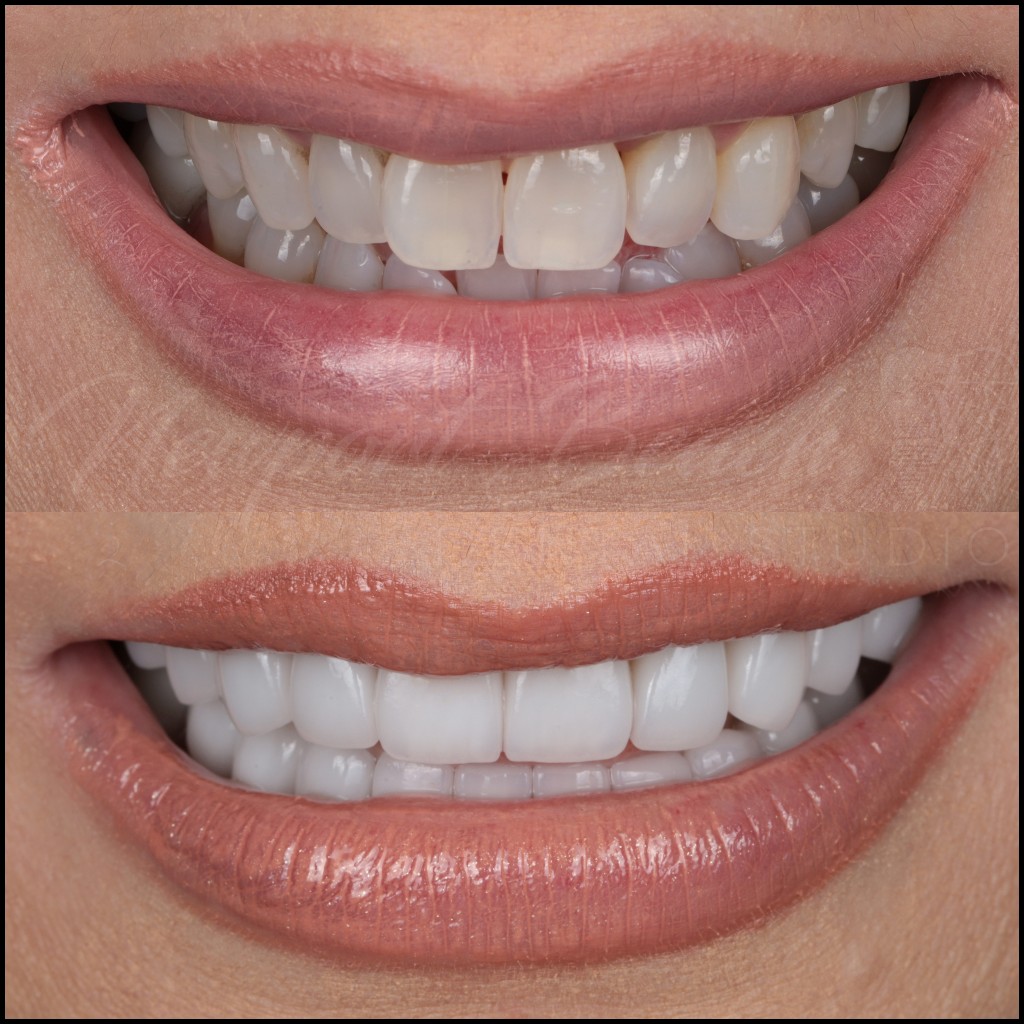
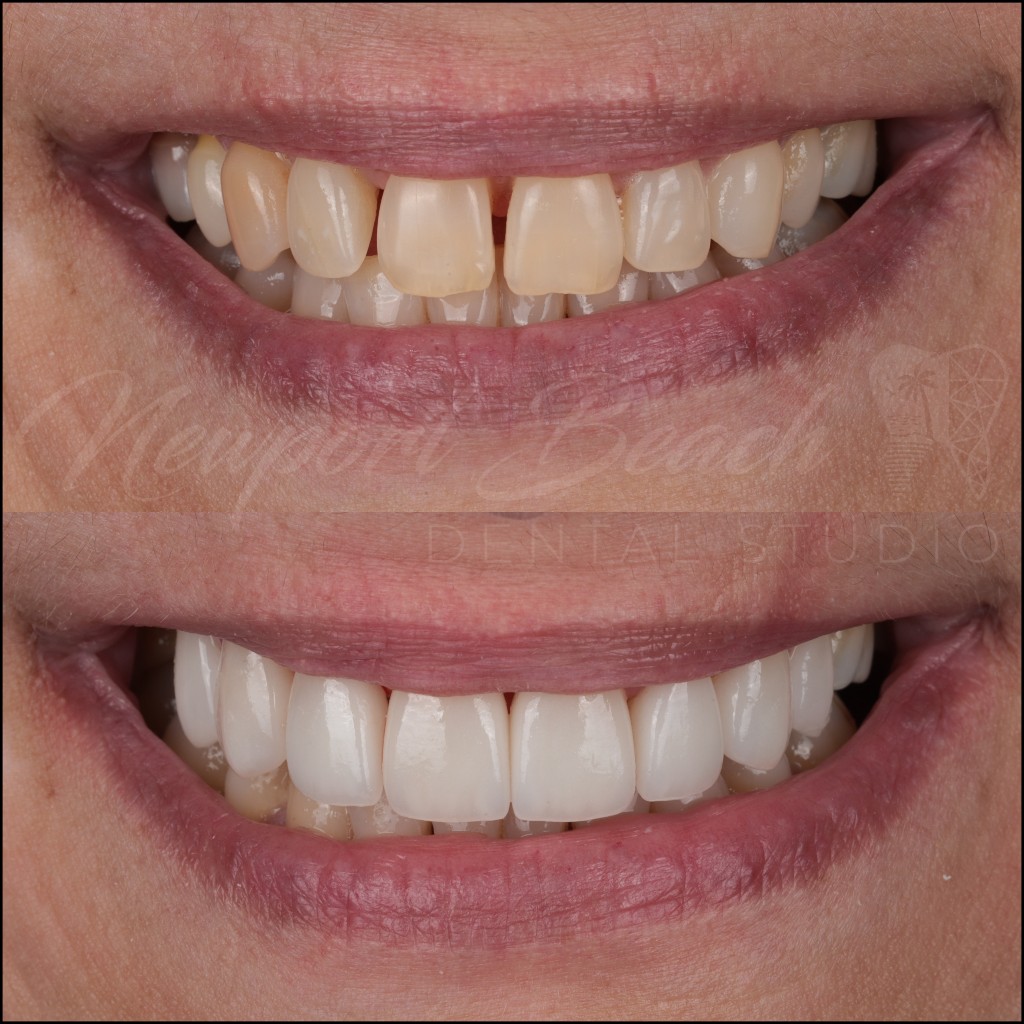
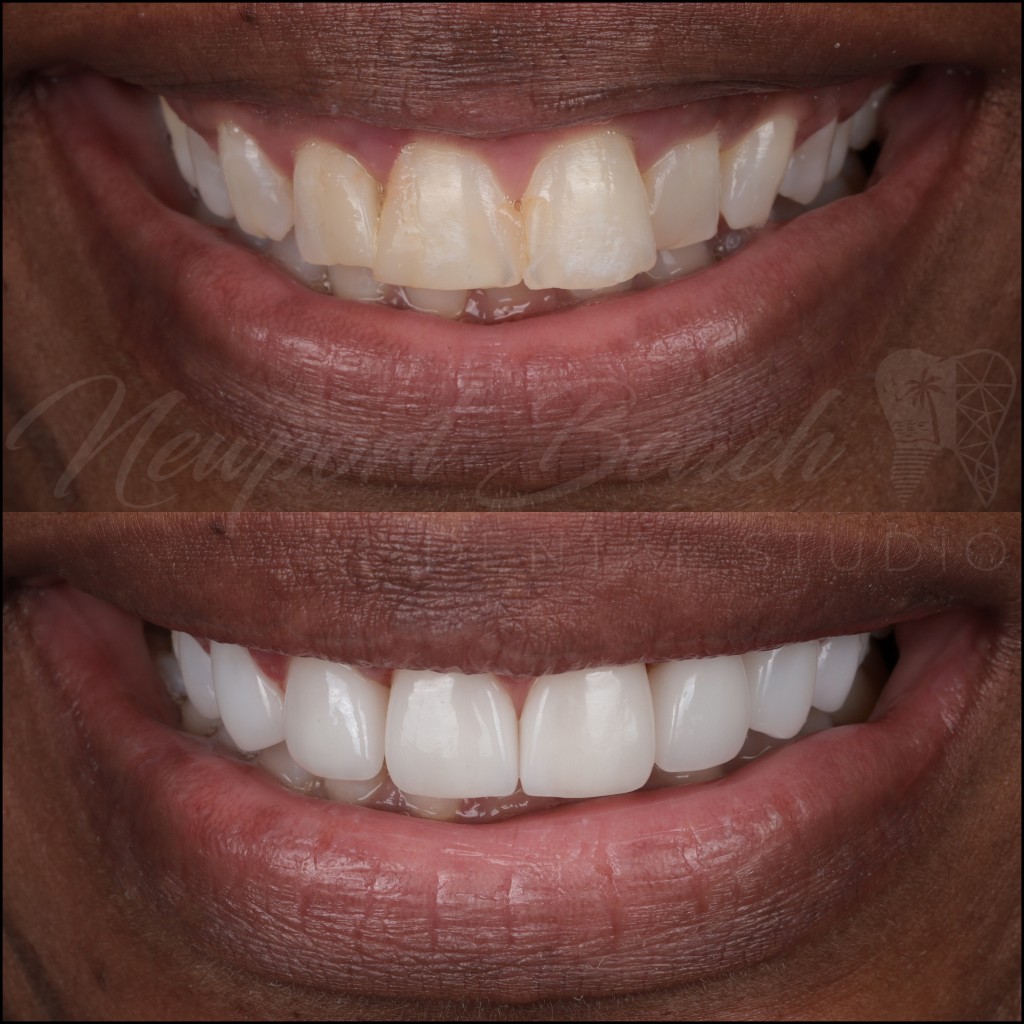
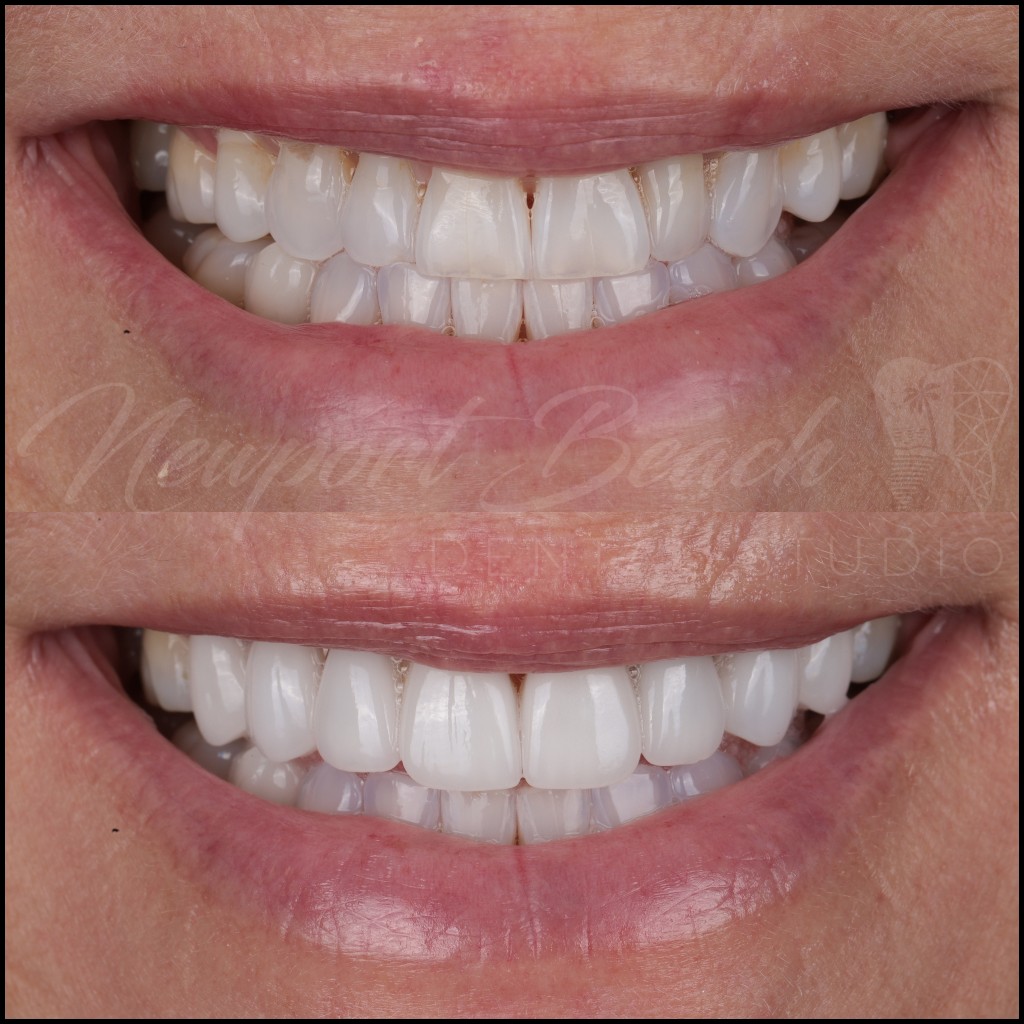
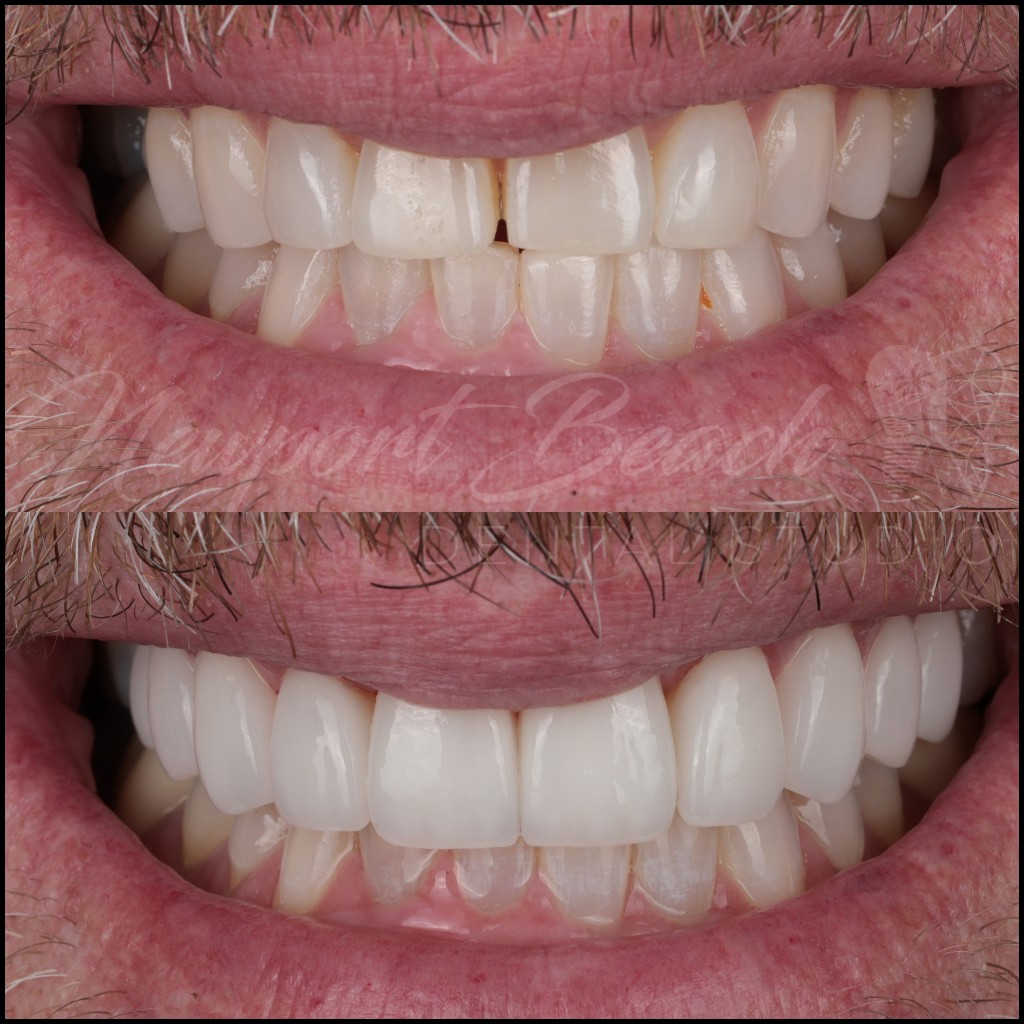
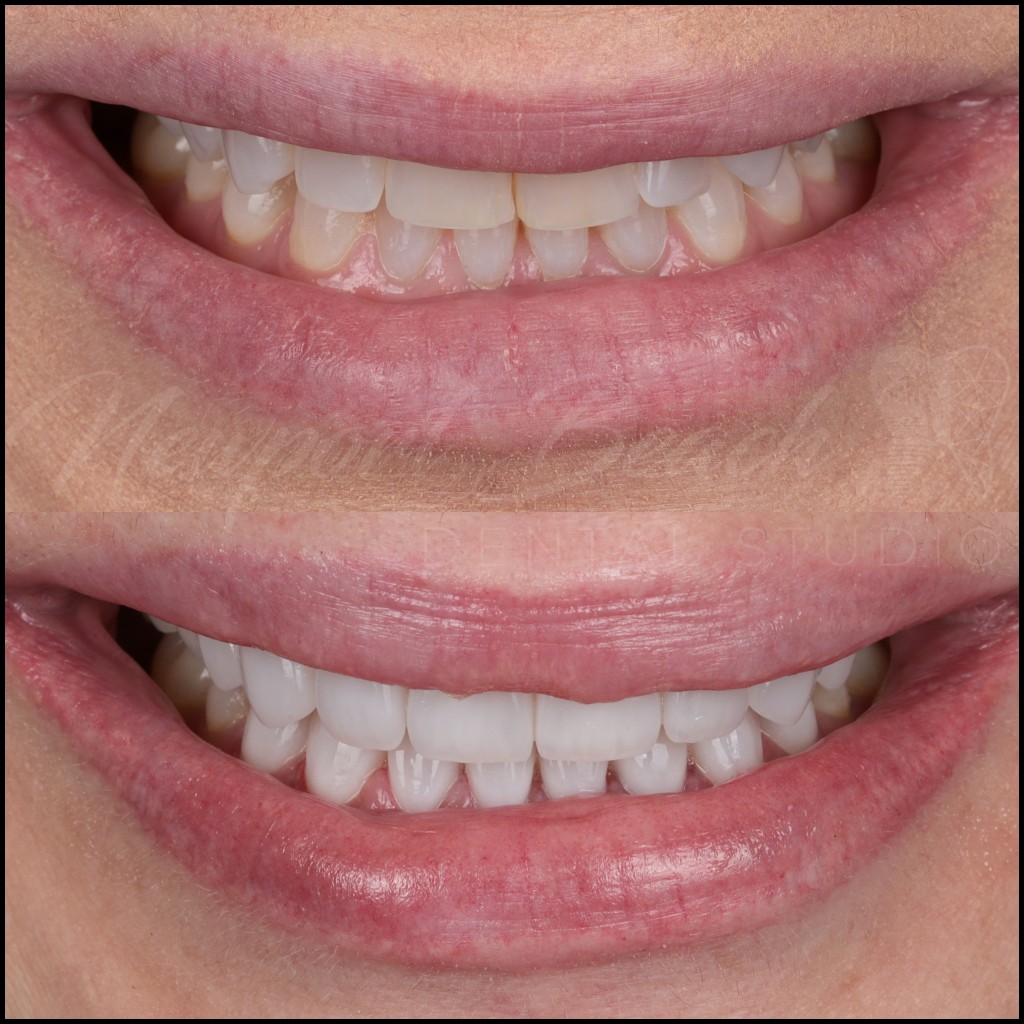
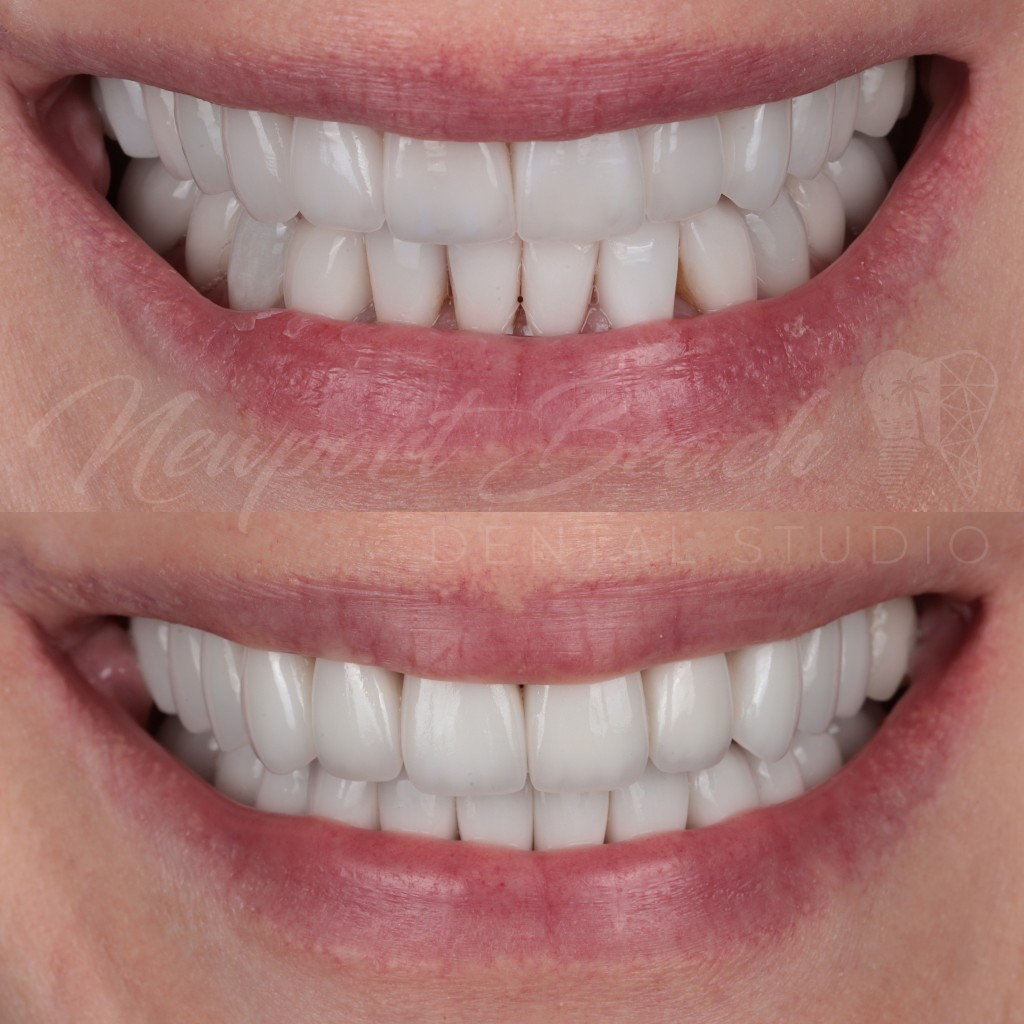
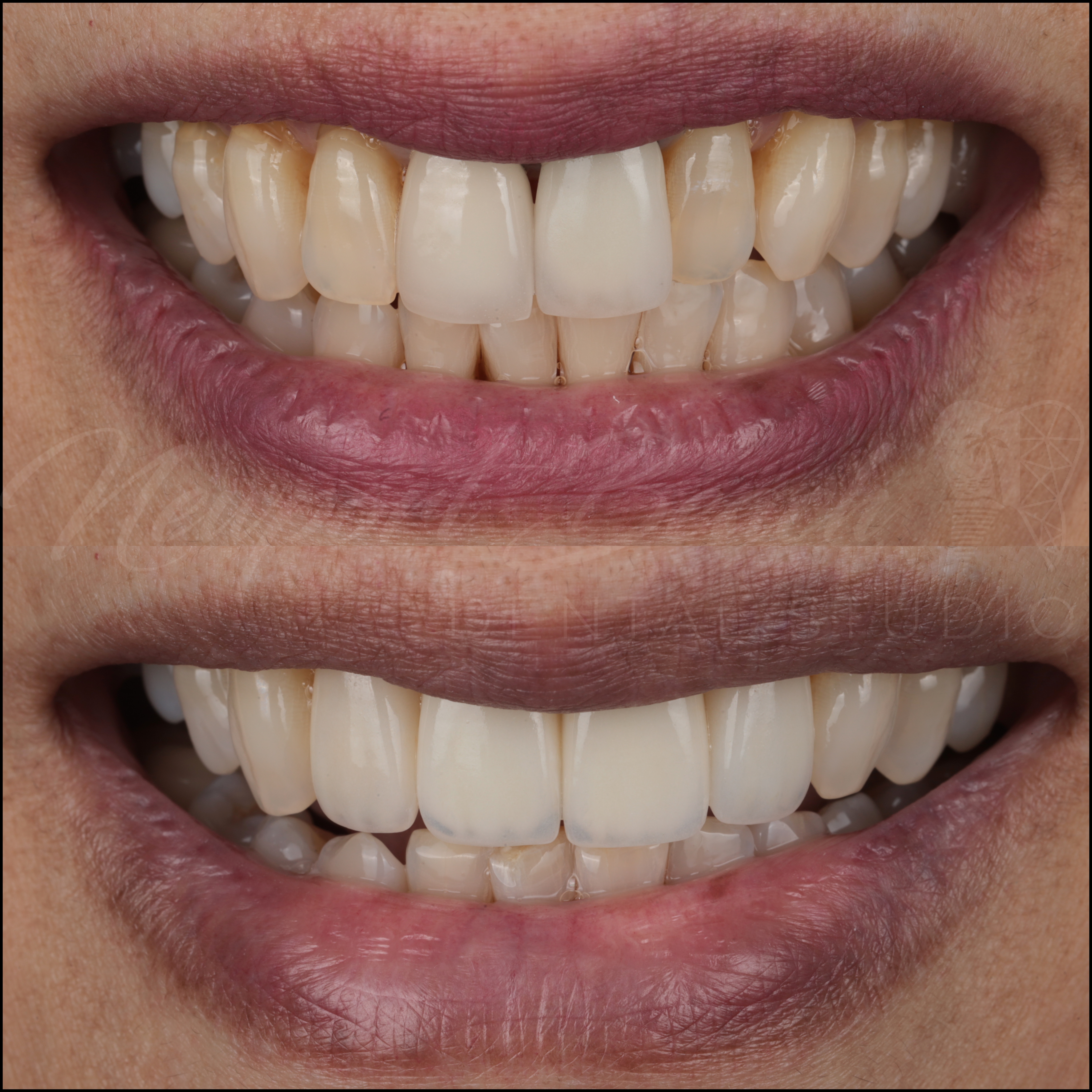
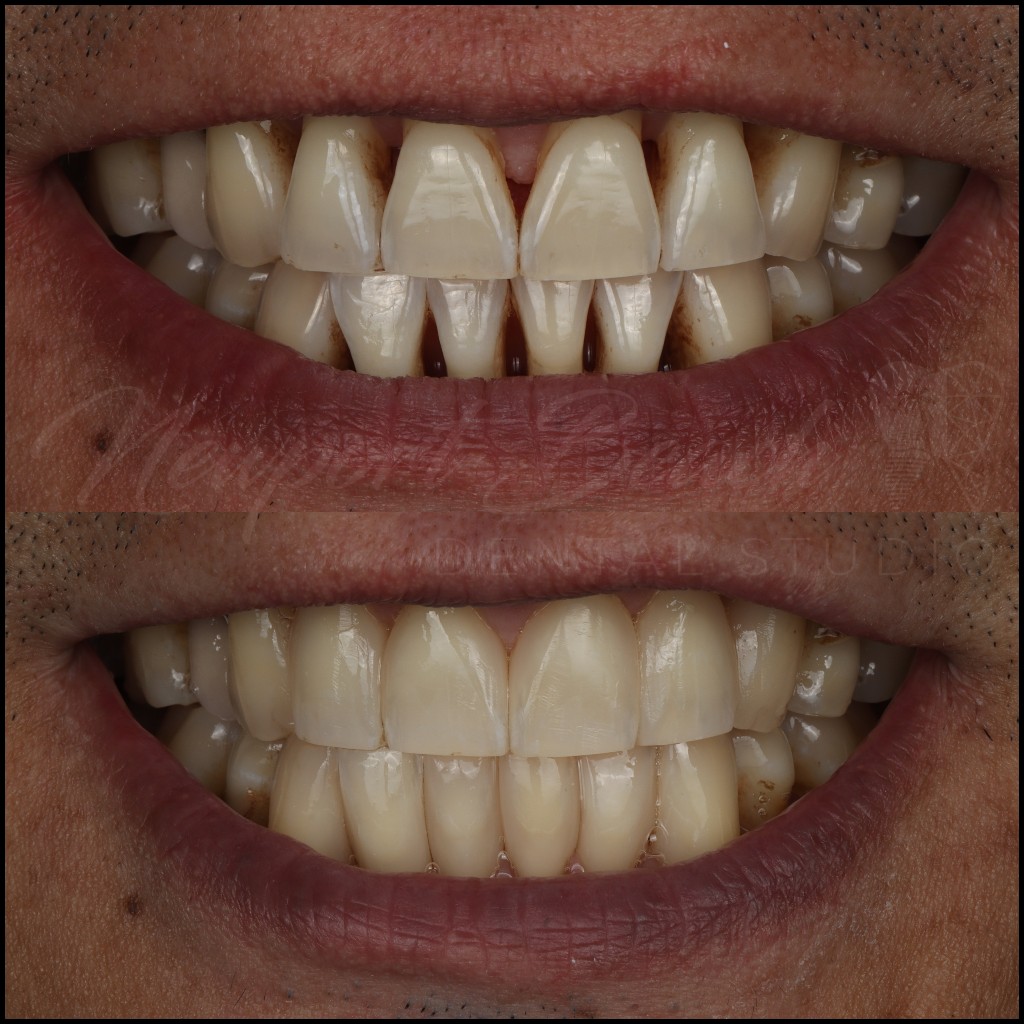
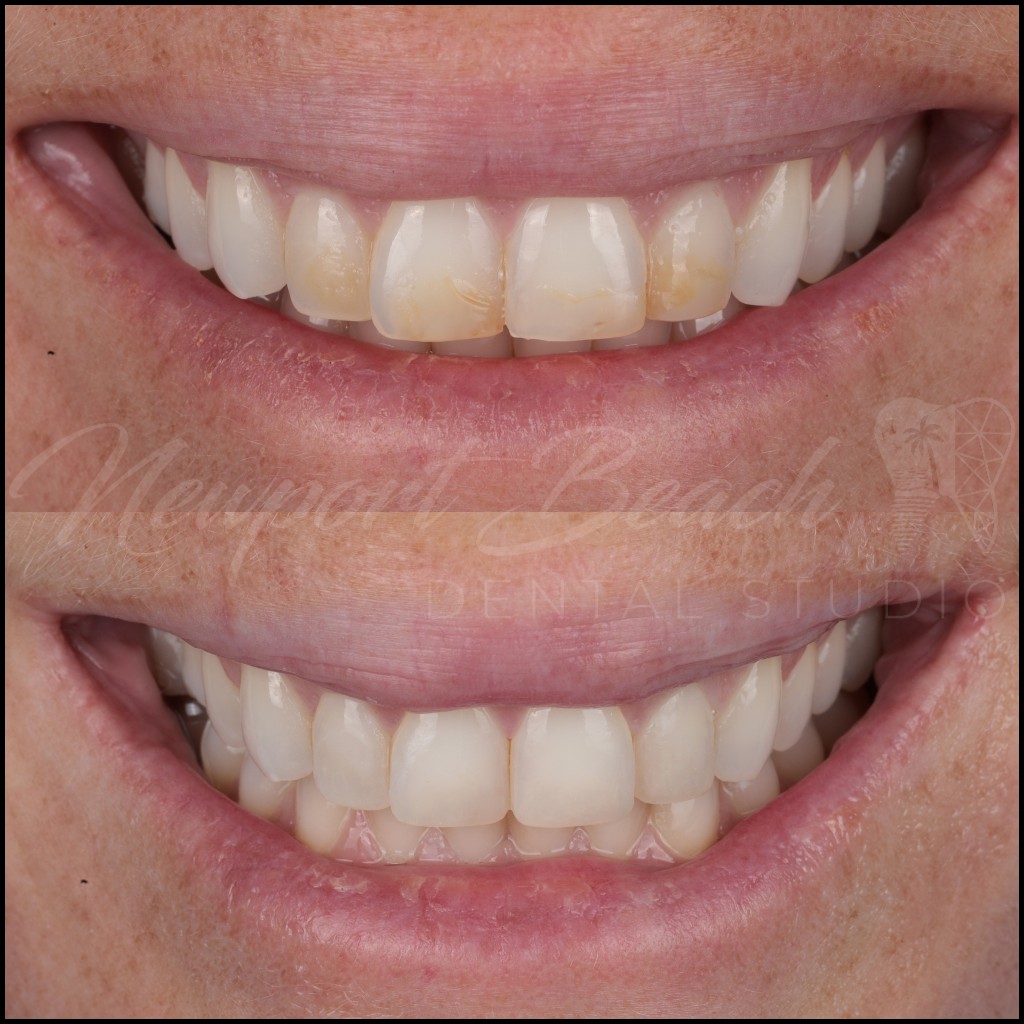
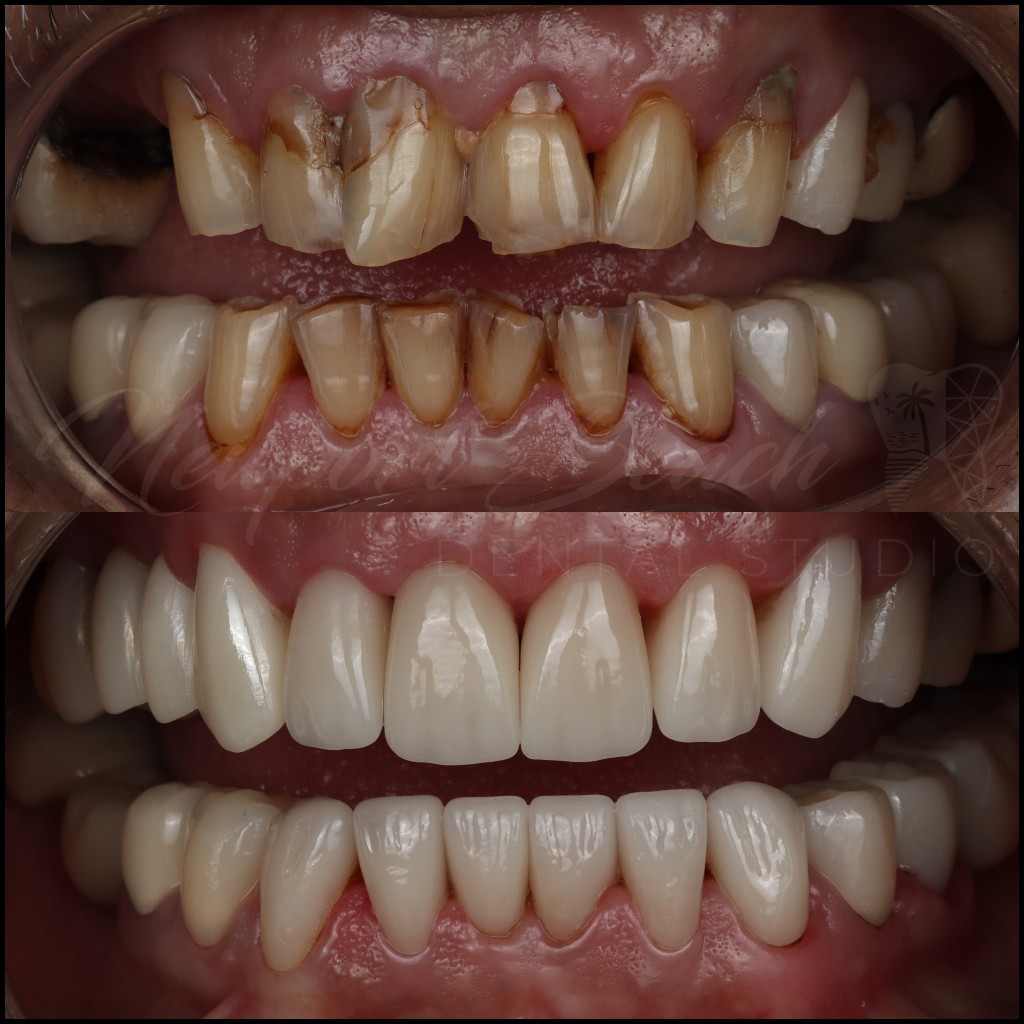
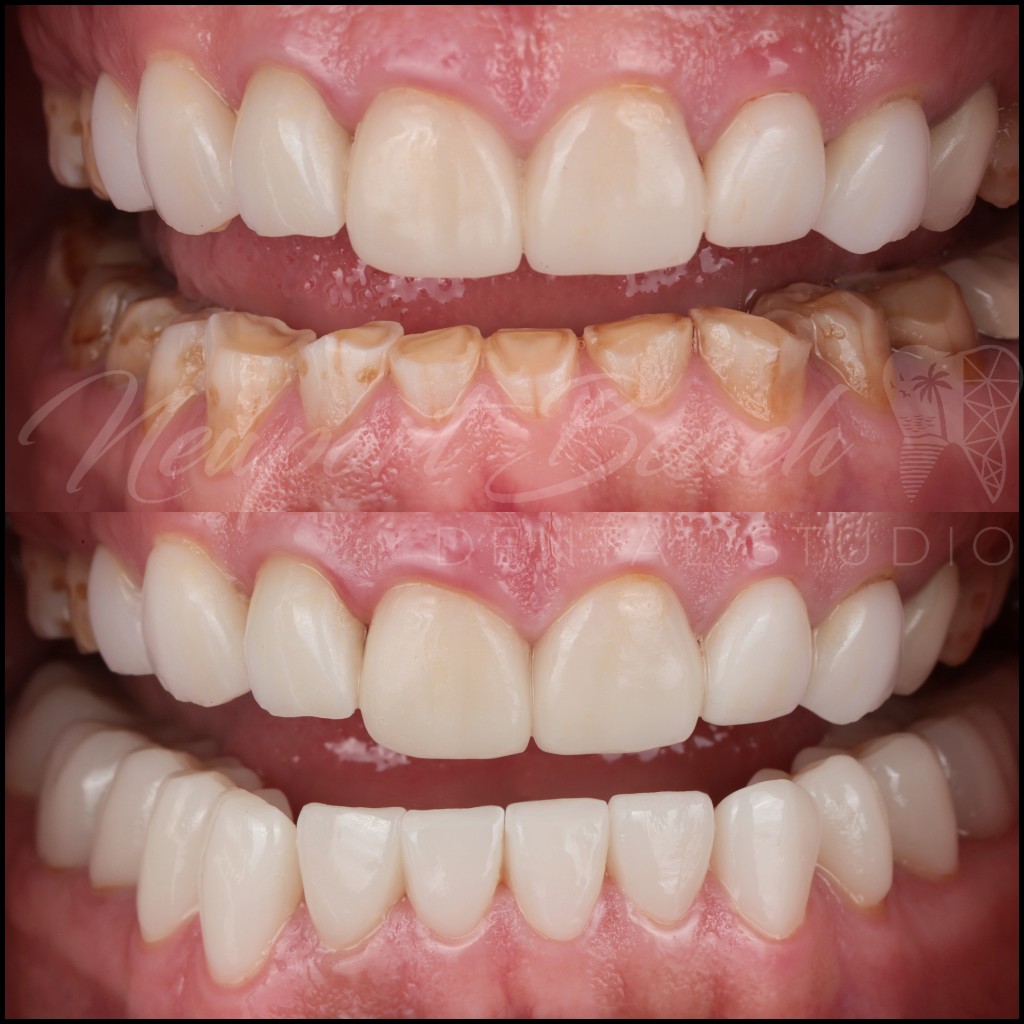
Real Veneer Before & After Cases
One of the best ways to evaluate cosmetic dentistry is to look at actual patient treatment. Explore veneer and smile transformation cases completed at Newport Beach Dental Studio.
Individual results vary. These photographs show examples of treatment and do not guarantee that another patient will achieve the same result.
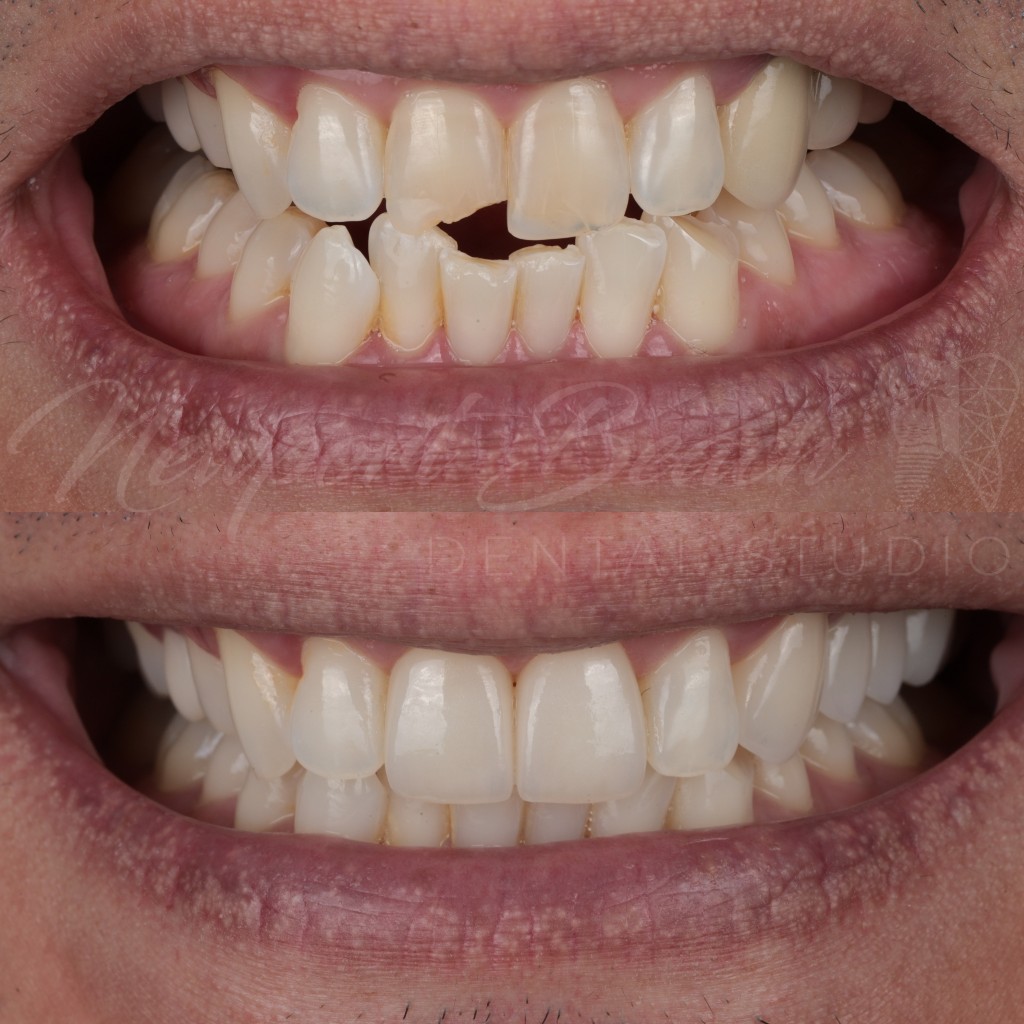
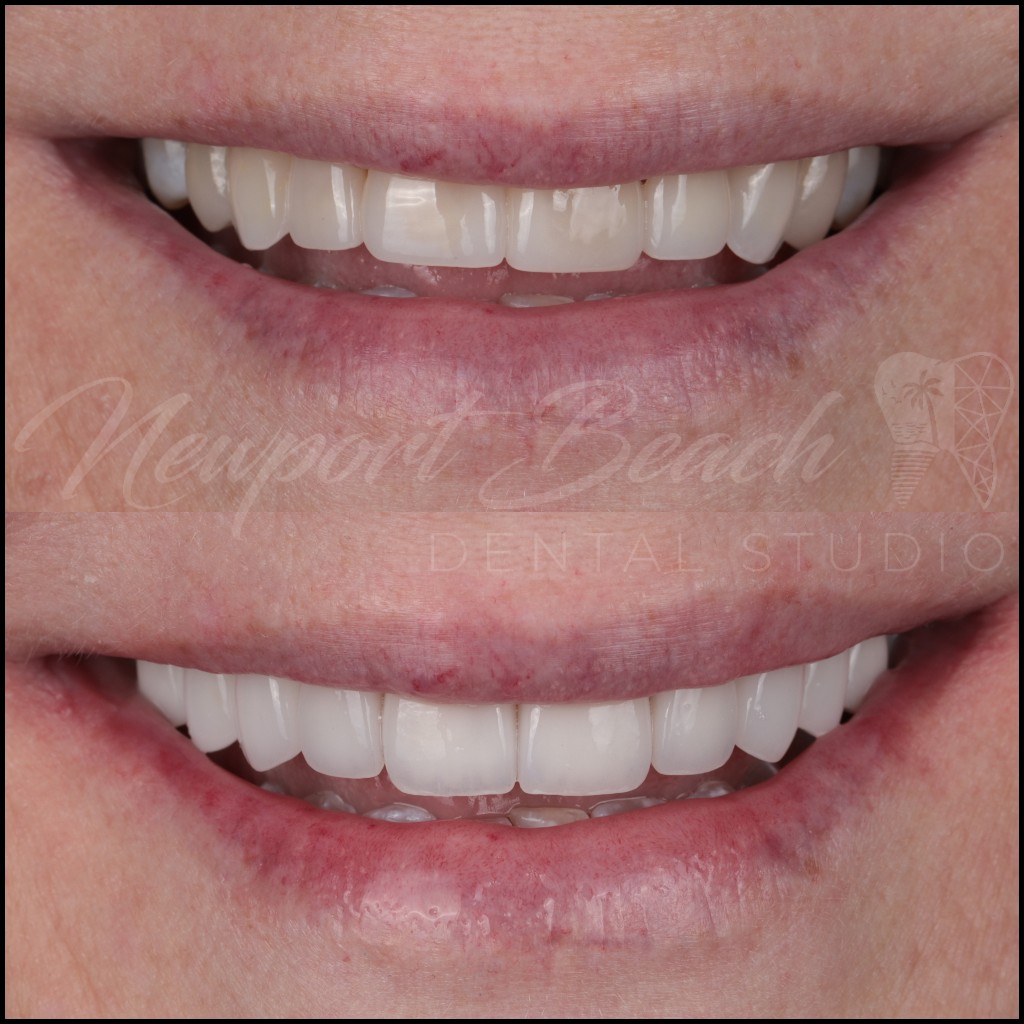
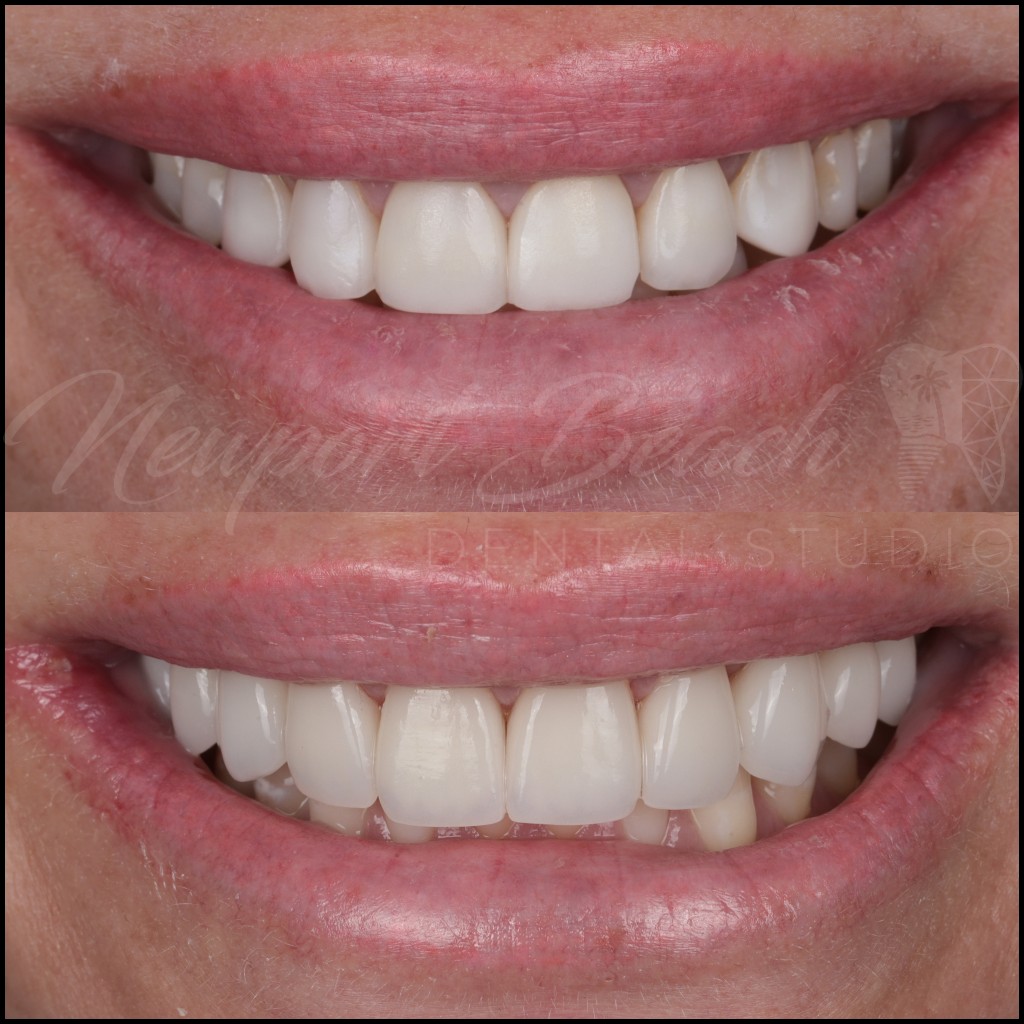
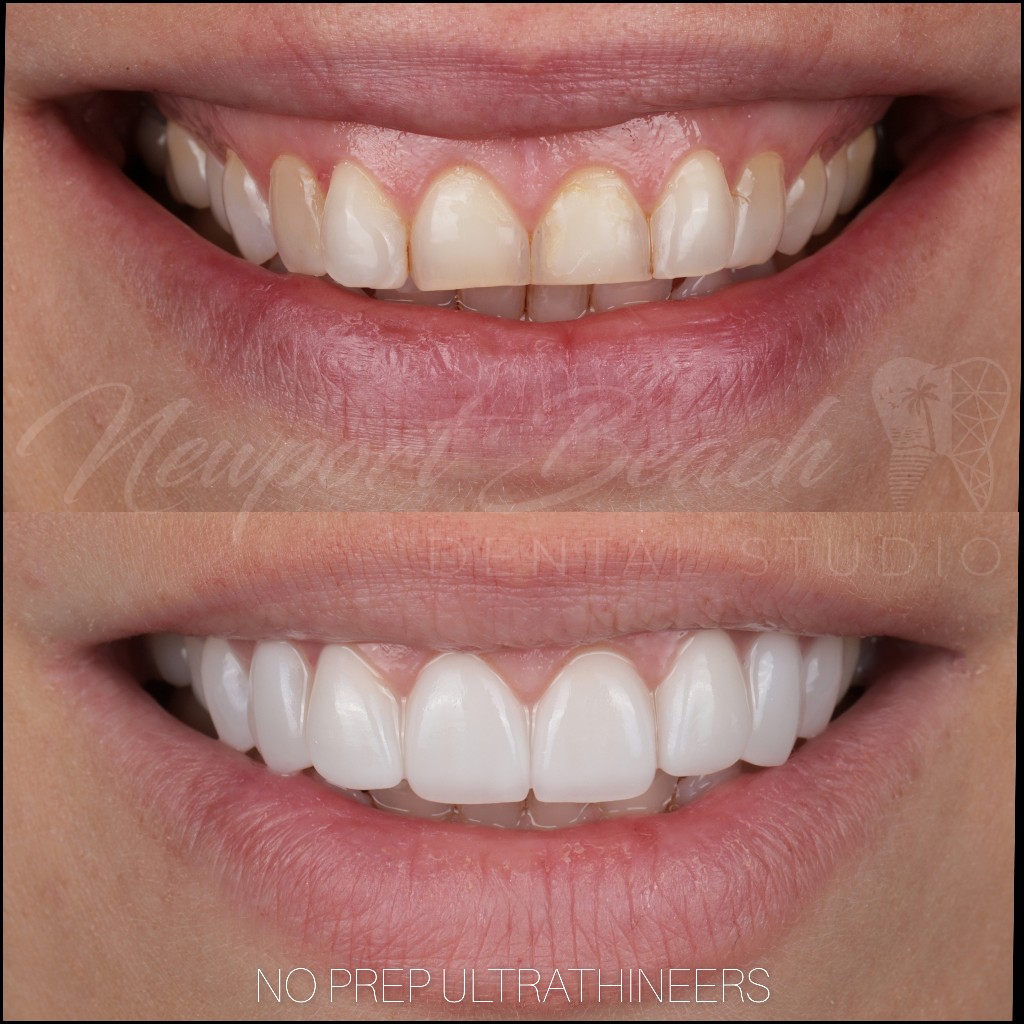
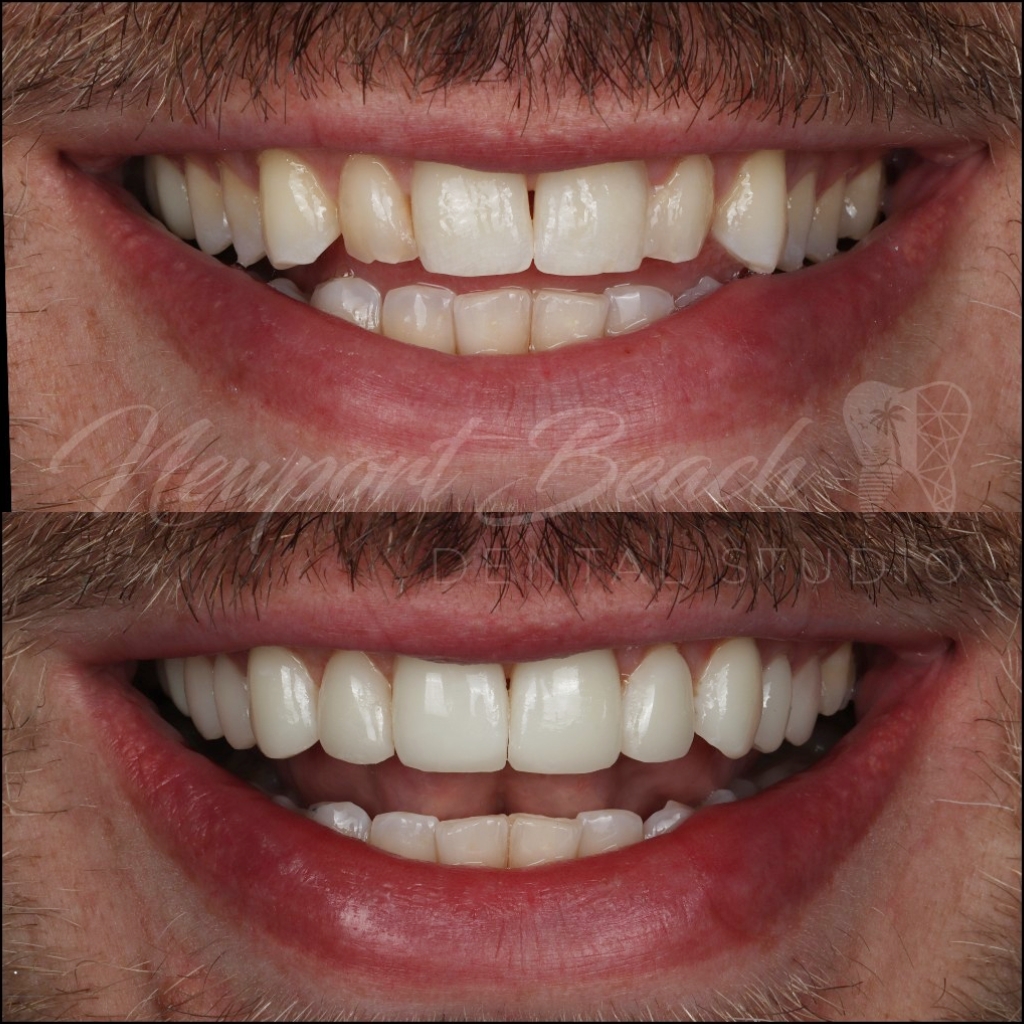
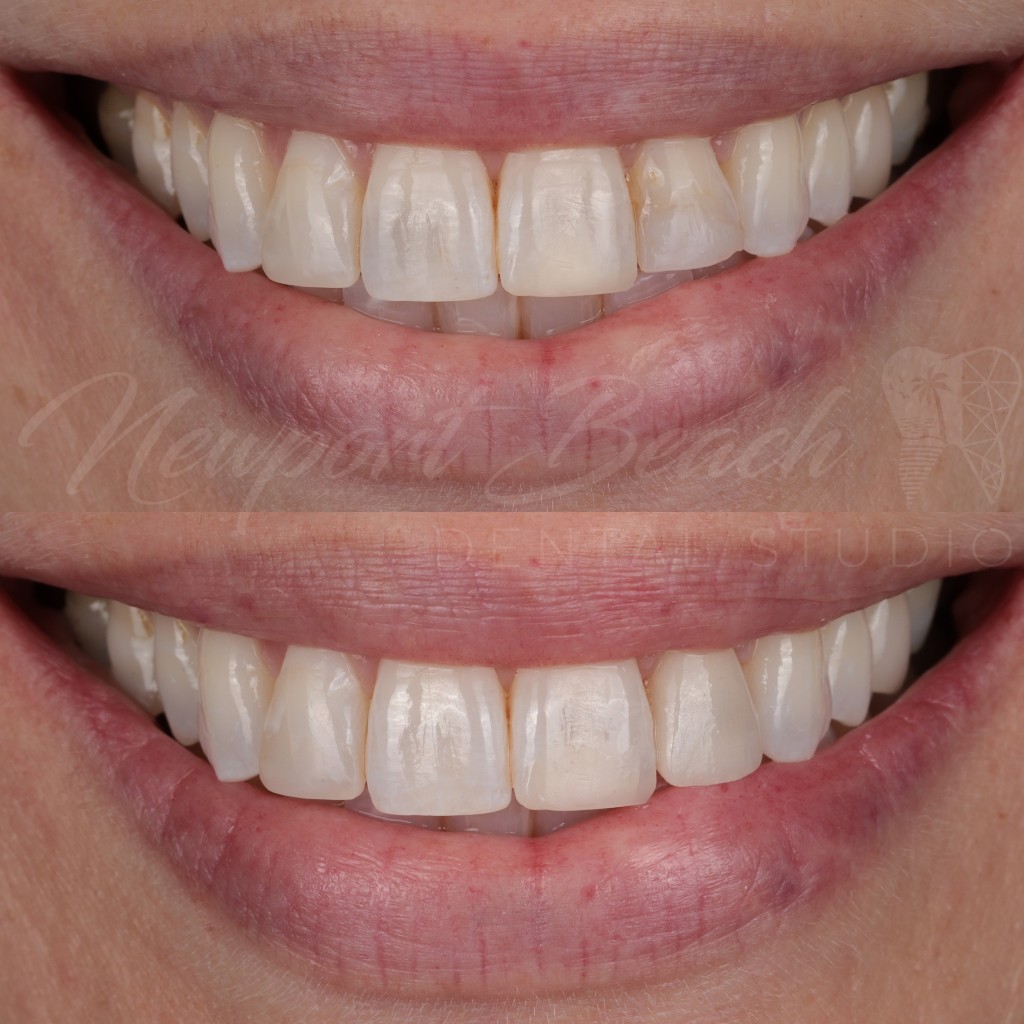
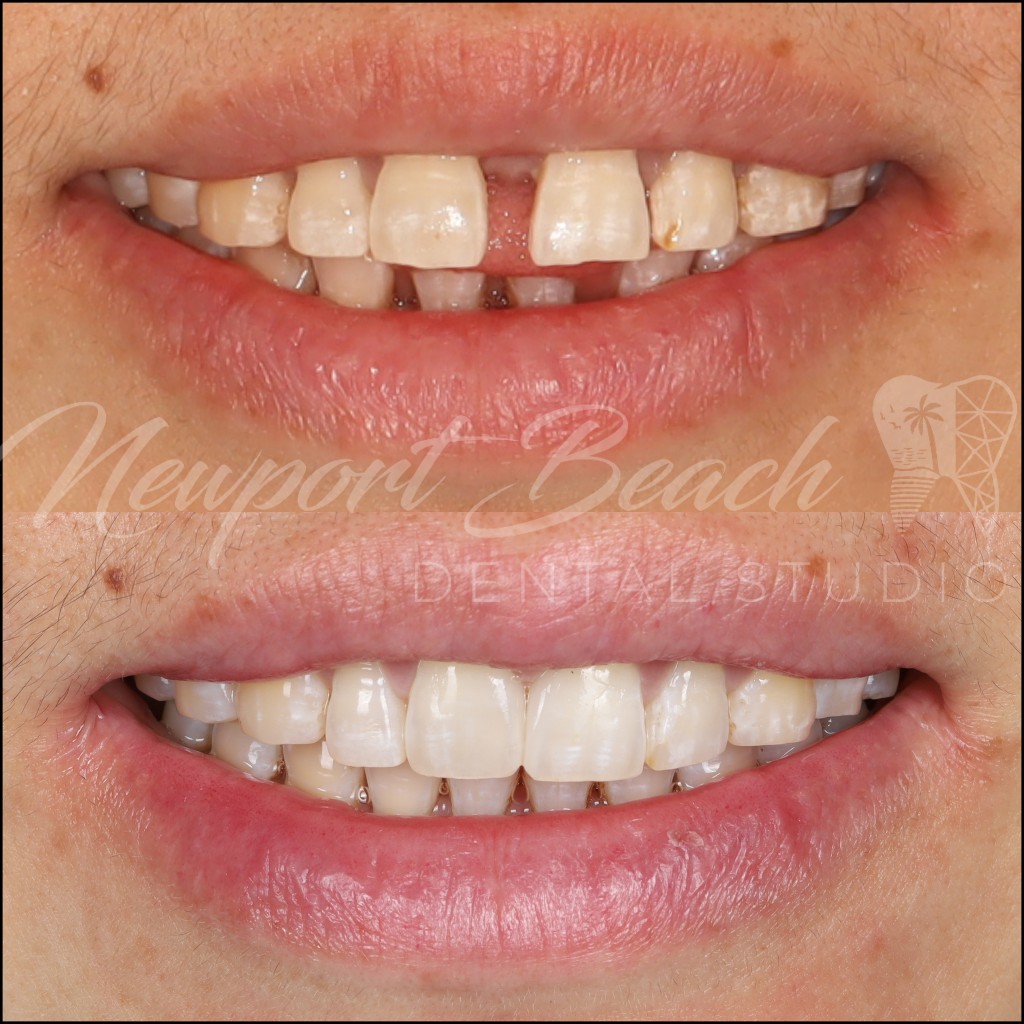
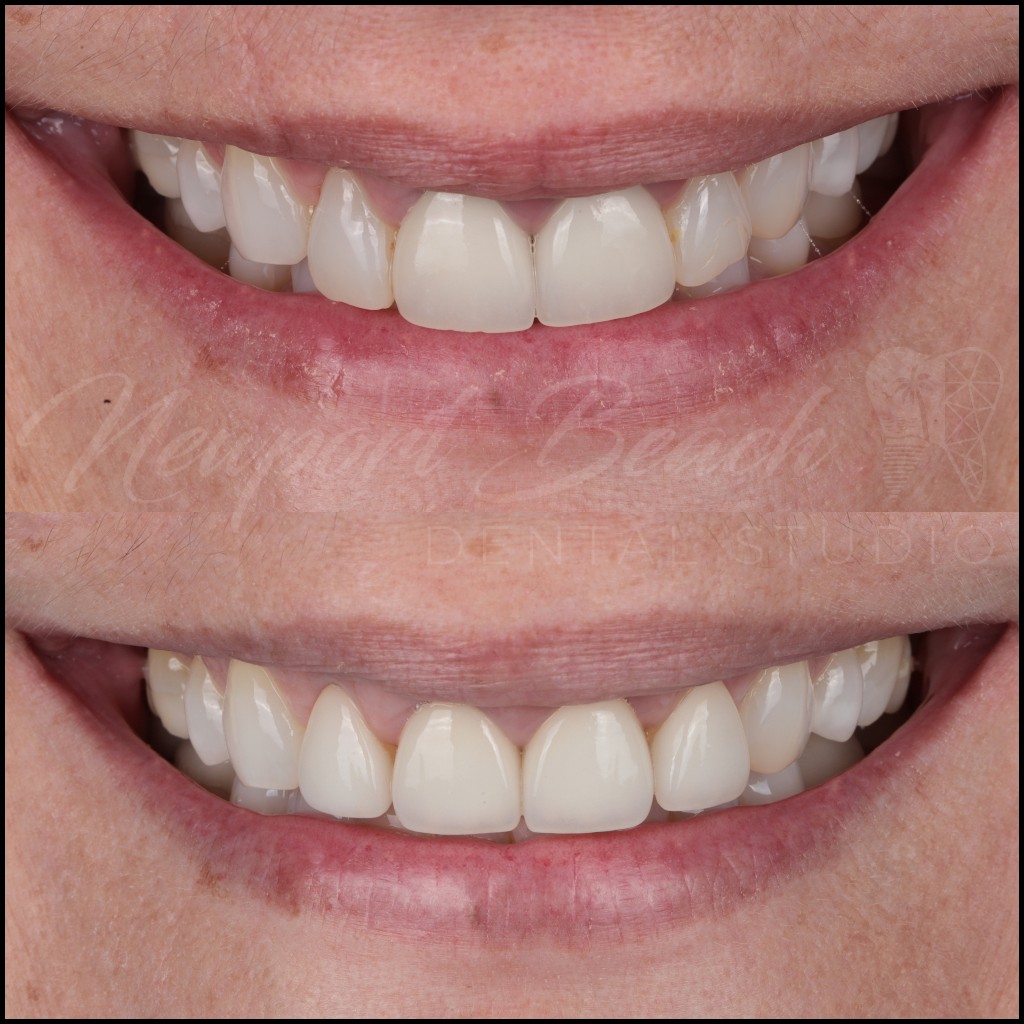
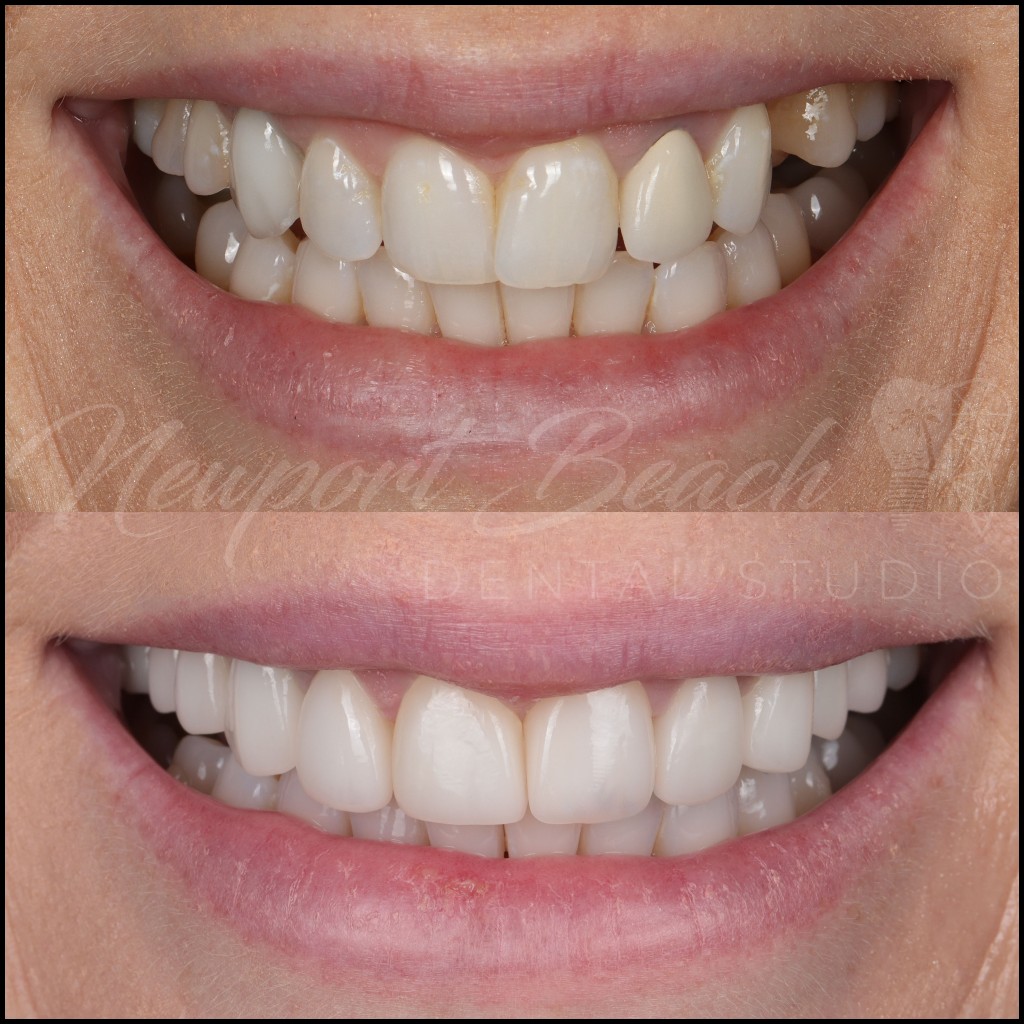
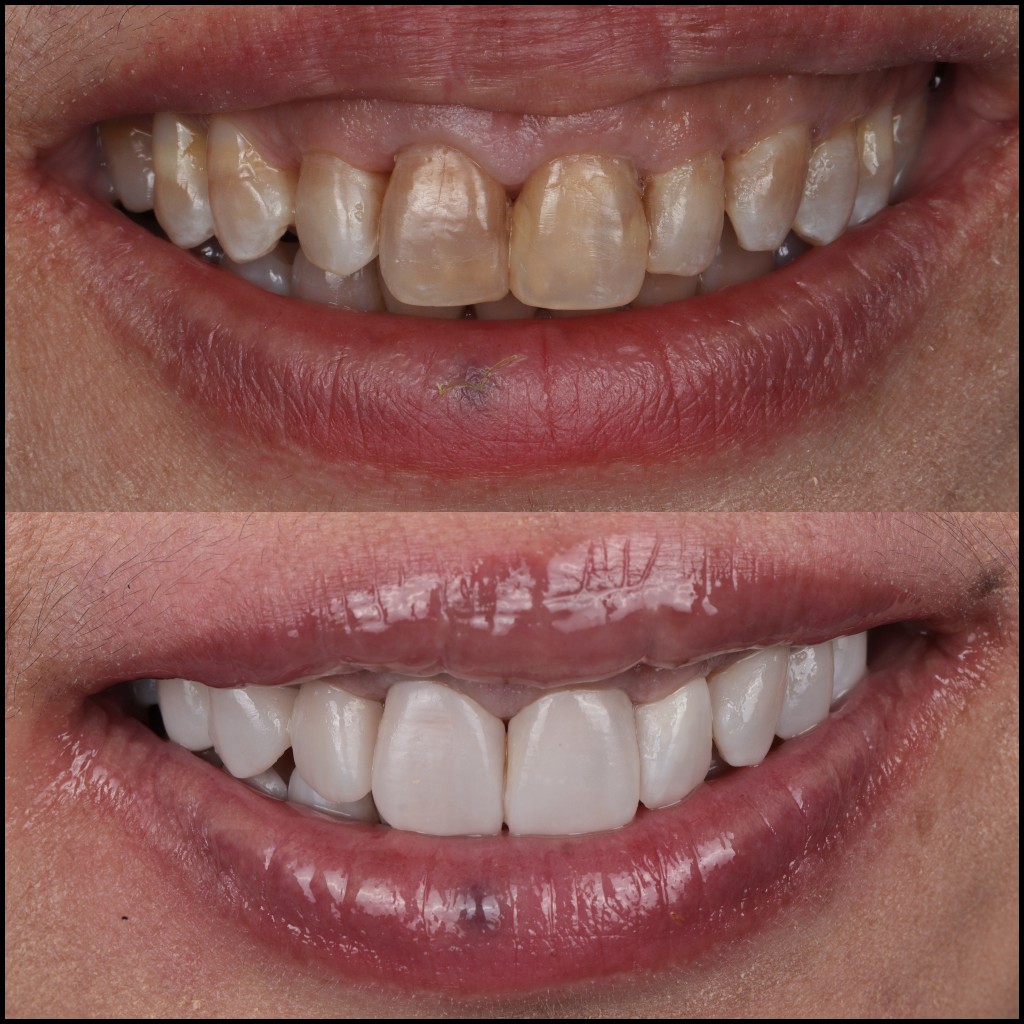
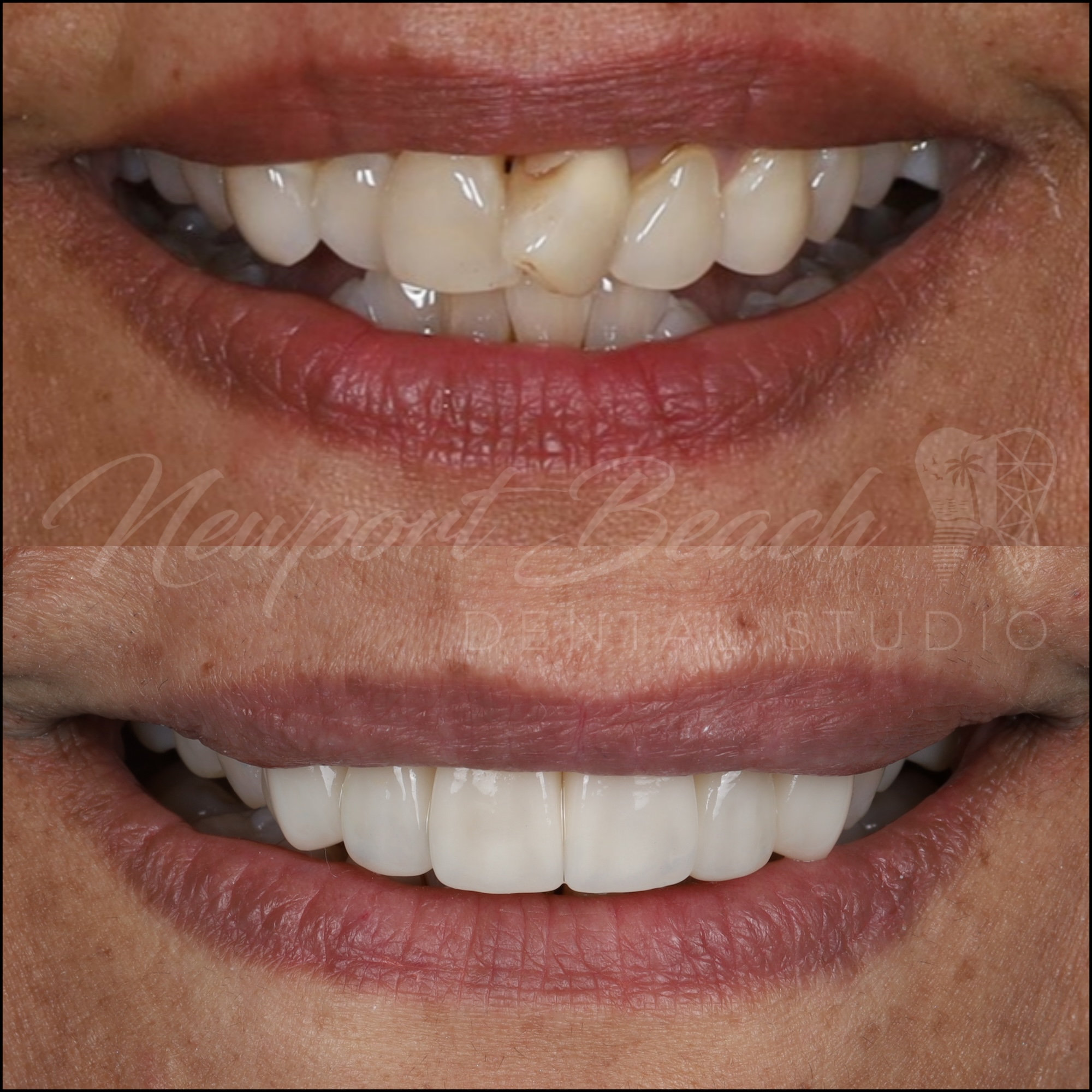
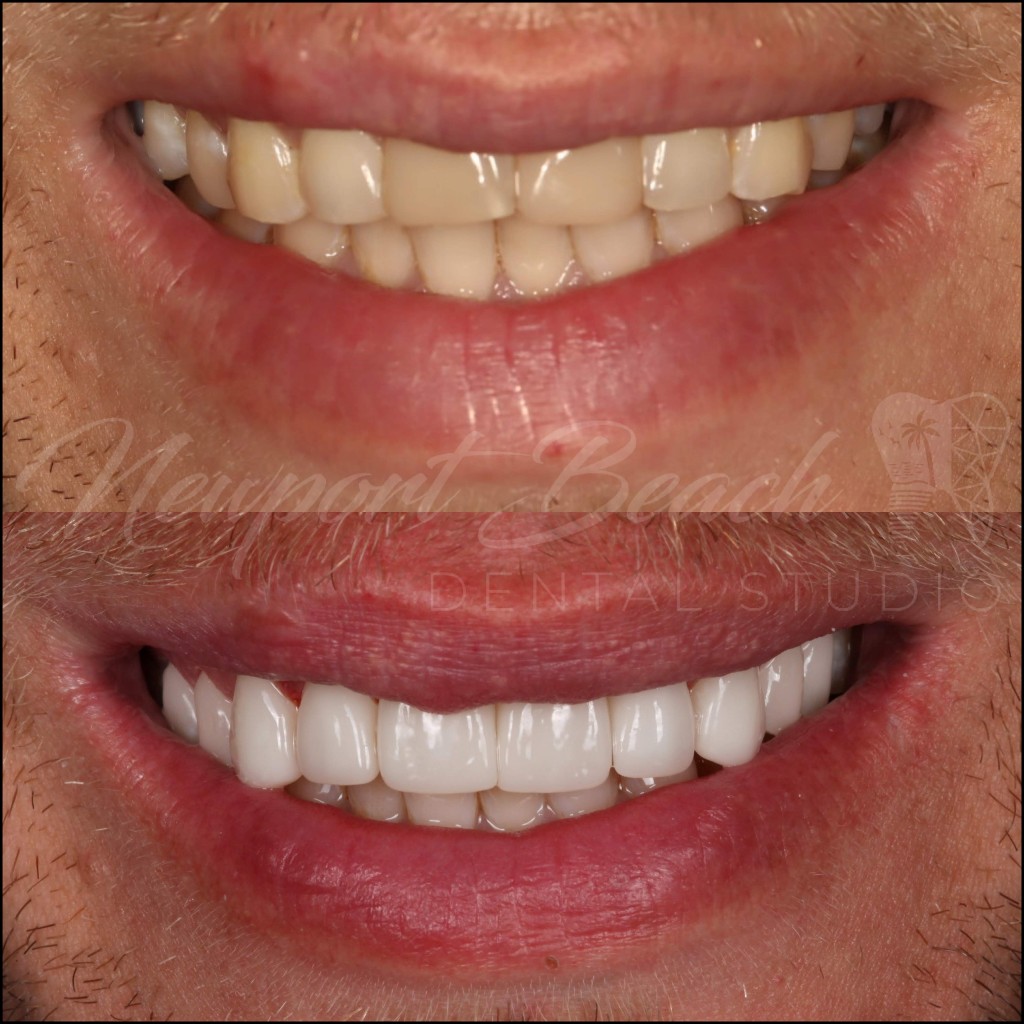
Free Smile Preview
Seen the Results? Now Preview Your Own Smile.
Our complimentary Smile Simulator lets you upload a photo and preview a potential cosmetic smile makeover from your phone—including changes in tooth shape, length, proportions, and overall smile design.
The same simulator can also create teeth whitening and orthodontic previews if you want to compare different cosmetic directions before deciding what to explore further.
PREVIEW MY SMILE FREESmile simulations are visualization tools only. They do not determine whether veneers or another treatment are clinically appropriate and do not guarantee a specific final result.
What Is a Dental Veneer?
A dental veneer is a thin restoration bonded to the visible surface of a tooth. Depending on the treatment plan, the veneer may also wrap slightly around the sides or biting edge.
Veneers can change the way a tooth reflects light, its apparent width and length, surface texture, contour, symmetry, and color.
Porcelain and other dental ceramics are especially useful because they can reproduce many of the optical characteristics found in natural enamel, including translucency, brightness, texture, and subtle variations in color.
However, the best veneer material is not simply the newest, strongest, or most expensive. Material selection depends on the tooth underneath it, how much discoloration must be masked, available restorative space, enamel quality, bite forces, and the desired final appearance.
What Can Veneers Improve?
Veneers are generally considered when changing the visible tooth surface can provide a meaningful cosmetic or restorative improvement and when a more conservative option such as whitening, bonding, or orthodontics alone will not accomplish the desired result.
Our Philosophy: Change What Needs to Change. Preserve What Does Not.
One of the most important decisions in veneer treatment is determining how much—if any—natural tooth structure needs to be altered.
Teeth should not automatically be aggressively reduced simply because veneers are being placed.
Some teeth require preparation because they are prominent, rotated, heavily restored, severely discolored, or need restorative space for the correct contours. Other cases may be suitable for very limited preparation or an additive no-prep approach.
The goal is to perform the least invasive treatment capable of producing a healthy, cleansable, functional, and natural-looking result.
Types of Veneers We Offer
There is no single veneer material that is best for every smile. Dr. Ha uses several restorative approaches so that the material can be selected around the individual case rather than forcing every patient into one technique.
How Do We Decide Which Veneer Is Best?
Material selection is only one part of the process.
Dr. Ha evaluates the existing enamel, tooth position, amount of discoloration, bite, existing restorations, gum levels, smile display, facial proportions, and the amount of additional tooth volume that can be added without creating excessive bulk.
A very thin veneer may be ideal for one patient and completely inappropriate for another. The correct choice is the material and design that solves the clinical problem while preserving healthy tooth structure whenever possible.
Digital Smile Design Before Veneers
A smile makeover should be designed before irreversible treatment begins.
Dr. Ha uses photography and digital scanning to evaluate tooth length, width, smile curve, facial midline, gum levels, lip position, symmetry, and how the teeth appear within the face.
This becomes especially important when several teeth are being treated because very small changes in line angles, tooth width, length, and surface contour can substantially change how a smile looks.
If you want to explore the idea before an in-office evaluation, our free online Smile Simulator can provide an initial cosmetic visualization. A clinical Digital Smile Design is more detailed and incorporates the records needed to plan actual treatment.
Learn more about our digital dentistry and smile-planning workflow .
Natural Veneers Are About More Than Choosing a White Shade
Very white teeth can still look artificial if the shape, texture, translucency, proportions, and reflections are wrong.
Natural teeth contain subtle variations. Transitional line angles determine how wide or narrow a tooth appears. Surface texture influences how light reflects. Incisal translucency affects how the edge of the tooth appears.
These details are considered during smile design so that the final restorations look appropriate for the individual patient rather than like identical manufactured teeth.
What to Expect During the Veneer Process
The final veneers are only one part of treatment. Much of the important work happens before the final restorations are fabricated.
No-Prep and Minimal-Prep Veneers
No-prep veneers are thin restorations intended for situations where material can be added to the existing tooth without creating excessive thickness or unnatural contours.
This works best when the tooth is already positioned favorably and the treatment goal involves adding volume, changing shape, increasing length, or adjusting selected proportions.
However, “no-prep” should not be interpreted as a guarantee that absolutely nothing will be adjusted. Minor enamel modification may sometimes improve margin placement, contours, bonding, or the final appearance.
Who May Be a Good Candidate?
Patients with small or narrow teeth, favorable tooth position, adequate enamel, selected spacing, minor chips, or situations where additional tooth volume is desirable may be candidates.
Who May Need Another Approach?
Significantly protrusive or rotated teeth, major crowding, extensive restorations, severe discoloration, structural damage, or certain bite problems may require preparation, orthodontics, or another treatment.
Sometimes Orthodontics Is More Conservative Than Veneers
If the primary problem is tooth position rather than tooth shape or color, moving the teeth may make more sense than adding restorative material.
Selected patients can benefit from clear aligner treatment before cosmetic dentistry. Improving tooth position first may reduce the amount of preparation needed later or eliminate the need for veneers on certain teeth altogether.
Porcelain Veneers vs. Composite Bonding
Porcelain Veneers
Ceramic veneers can provide excellent color stability, surface texture, translucency, and control when multiple teeth require significant changes in color or shape.
Composite Bonding
Composite resin can be a very conservative option for smaller changes, isolated chips, spaces, contour corrections, or patients who prefer a repairable direct restoration.
Neither option is automatically better. The most appropriate treatment depends on the amount of change needed, tooth structure, esthetic expectations, maintenance, budget, and long-term treatment goals.
How Long Do Porcelain Veneers Last?
Veneers are definitive restorations, but they should not be considered lifetime restorations.
Longevity depends on the veneer material, quality and quantity of enamel available for bonding, preparation design, bite, grinding or clenching, oral hygiene, diet, trauma, and ongoing maintenance.
Routine dental examinations, professional cleanings, daily home care, and avoiding habits that place unnecessary forces on the restorations can help protect them.
Patients who grind or clench may be advised to wear a protective night guard.
Do Porcelain Veneers Stain?
Glazed and polished ceramics are generally much more resistant to external discoloration than composite resin or natural enamel.
However, the natural teeth surrounding veneers can still change color, and plaque or staining can accumulate around restoration margins if oral hygiene is inadequate.
How Many Veneers Do I Need?
There is no standard number.
Dr. Ha evaluates how many teeth show during a natural and full smile and how the treated teeth will transition into neighboring untreated teeth.
One patient may need a single veneer. Another may benefit from treating four, six, eight, ten, or another number of teeth.
The goal is not to sell a predetermined number of veneers. It is to create a balanced smile while treating only the teeth that meaningfully contribute to the final result.
Frequently Asked Questions About Veneers
Can I preview veneers on my own smile for free?
Yes. Our free Smile Simulator allows you to upload a photo and create an initial cosmetic smile makeover visualization from your phone. The simulator can also preview whitening and orthodontic changes. It is intended as a visual starting point rather than a clinical treatment plan or guaranteed result.
Do veneers ruin your natural teeth?
Properly planned veneers generally require substantially less tooth reduction than a full crown. However, conventional veneers may require removal of some enamel and should therefore be considered irreversible. The amount varies significantly between cases.
Can veneers look natural?
Yes. A natural appearance depends on tooth proportions, surface texture, translucency, line angles, contour, shade, incisal characteristics, gum levels, and how light reflects from the restorations—not simply selecting a white color.
How much do veneers cost in Newport Beach?
The cost depends on the number of teeth, material, laboratory or manufacturing technique, complexity of the smile design, and whether additional treatment is required. A specific treatment estimate can be provided after an evaluation.
How many veneers do I need?
There is no standard number. Treatment depends on how many teeth are visible in your smile, what needs to change, and how the restored teeth will blend into untreated teeth.
Should I whiten my teeth before veneers?
Whitening is often considered before final veneer shade selection because porcelain does not whiten later in the same way natural enamel does. This is especially important when untreated natural teeth will remain visible.
Are veneers better than bonding?
Neither is automatically better. Composite bonding may be more conservative for small changes, while ceramic veneers can provide different optical properties and may be preferred for larger changes involving several teeth.
Are veneers better than Invisalign or clear aligners?
They treat different problems. Orthodontics moves teeth, while veneers change tooth shape and appearance. When tooth position is the main concern, orthodontic treatment may be the more conservative choice.
Can veneers fix tetracycline staining?
Selected veneer materials can mask significant intrinsic discoloration, including tetracycline staining. The restoration must be designed to manage the underlying color while still producing a natural level of brightness and translucency.
Are veneers reversible?
Veneers requiring enamel preparation should generally be considered irreversible. Carefully selected no-prep cases may preserve substantially more natural enamel, but the restorations are still intended as definitive dental treatment.
Can I see what my veneers will look like before treatment?
Yes. The free online Smile Simulator can provide an initial visual preview. For appropriate treatment cases, clinical digital smile design and a trial smile or mock-up may provide a more detailed evaluation of proposed changes in shape, length, proportions, and overall smile design.
The Best Veneer Is the One That Belongs in Your Smile
Successful cosmetic dentistry should not draw attention to the dentistry itself.
Tooth shape, length, translucency, surface anatomy, line angles, color, and proportions should work together so that the final result feels appropriate for the person wearing it.
That is why our veneer cases begin with diagnosis and design rather than simply choosing a shade and preparing teeth.
The goal is a smile that looks carefully planned when we design it—but natural when you wear it.
Considering Veneers in Newport Beach?
You have already seen examples of our work. The next step is deciding whether you want to explore your own smile virtually or come in for a clinical evaluation.
Start with our complimentary Smile Simulator from home, or schedule a cosmetic consultation with Dr. Tai Ha to evaluate your teeth and compare porcelain veneers, no-prep veneers, composite bonding, 3D-printed veneers, orthodontics, whitening, and other conservative options.
Individual results vary. Veneer candidacy, preparation requirements, materials, treatment timelines, longevity, and final appearance depend on each patient’s teeth, enamel, bite, gum health, existing dental work, and cosmetic goals.